

Commitment to the planet
Protecting marine life means protecting the future of our planet. Discover why plastic pollution threatens our oceans and how WWF Spain works to conserve them.
Why is protecting our oceans so important?
Approximately two-thirds of our planet is covered by water. Oceans also act as major carbon sinks, absorbing CO₂, so protecting them is essential in the fight against climate change.
Among the main threats they face are plastic pollution, overfishing and a lack of marine protected areas. Tackling these threats is also a key focus of ocean conservation efforts.

The impact of plastic on marine wildlife
According to the figures included in the WWF document, plastics are responsible for more than 90% of the harm caused to marine wildlife by human waste. Worldwide, around 700 marine species are threatened by this pollution; 17% of them fall into threatened categories on the IUCN Red List, including the Hawaiian monk seal, loggerhead turtle and common shearwater.
700 species
of marine wildlife threatened by plastics worldwide, according to figures cited in the WWF document.
Plastics harm animals in several ways: ingestion, entanglement in waste, contamination and the transport of non-native species.
Deadly traps: abandoned nets and fishing lines
Discarded fishing lines and nets, as well as plastic rings and packaging, can entangle and trap marine animals. Around the world, 344 species have been documented trapped in plastics.
In the Mediterranean, the animals affected are primarily birds (35%), fish (27%), invertebrates (20%) and marine mammals (13%), as well as sea turtles.
Waste can cause wounds, injuries and deformities, restrict movement and feeding, and prevent animals from escaping predators. In the most severe cases, it can lead to suffocation, starvation or death.
According to the document, fishing lines cause 65% of entanglement incidents in the Mediterranean. Lost or discarded fishing gear continues to trap animals long after it is no longer in use: this is known as ghost fishing, and even affects species such as the monk seal.
When plastic becomes food
Many marine species ingest plastic waste intentionally, accidentally or indirectly by feeding on contaminated prey. The document identifies 134 affected species, including fish, turtles, birds and marine mammals.
According to the figures compiled by WWF, 90% of the world’s seabirds have plastic fragments in their stomachs, compared with just 5% in 1960. The estimate cited warns that this proportion could reach 99% by 2050 if plastic pollution is not reduced.
Microplastics have been found in mussels, oysters and fish, and even large pieces of waste inside stranded sperm whales. Ingesting these materials can cause intestinal blockages, ulcers, necrosis and death.
Figures that make us think
- 35% of loggerhead turtles in the Mediterranean contain plastic.
- Plastic remains have been found in the stomachs of 18% of tuna and swordfish and 17% of blackmouth catsharks in the figures cited.
- Farmed mussels and oysters intended for human consumption may contain microplastics; the document cites an estimate of up to 11,000 particles ingested per year by the average European.
- Even zooplankton can ingest tiny particles, introducing contaminants into the food chain.
WWF Spain’s commitment to our oceans

WWF Spain works to protect marine biodiversity, reduce plastic pollution and promote sustainable fishing. Its work includes restoring marine and coastal ecosystems, advocating for policies that protect endangered species and encouraging the responsible use of marine resources.
Through research, public awareness and collaboration with governments, businesses and fishing communities, the organisation works to conserve healthy, resilient oceans that are essential to life and future generations.

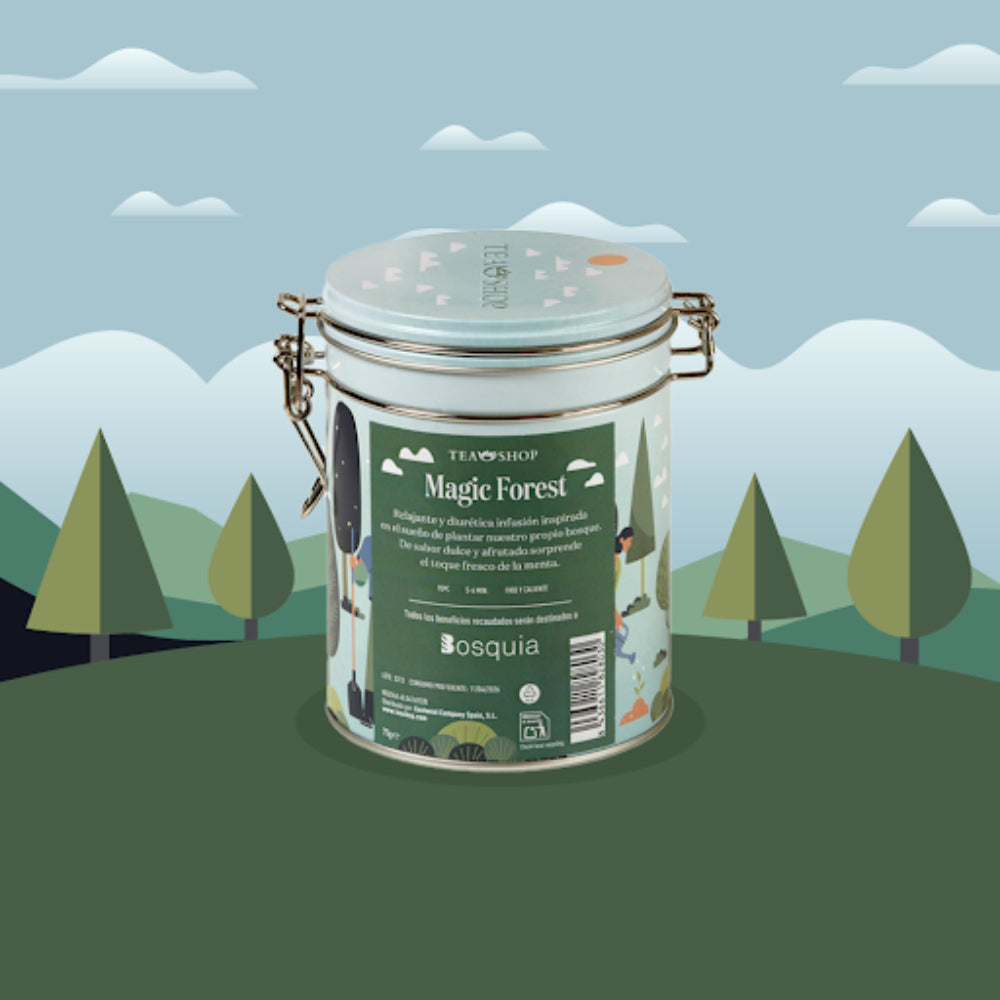
At Tea Shop, we collaborate with WWF (World Wide Fund for Nature), an international organisation dedicated to nature conservation and biodiversity protection. That is why profits from the sale of our solidarity tins will go towards supporting WWF’s work to protect marine biodiversity, reduce plastic pollution and promote sustainable fishing, helping to preserve healthy oceans for future generations.






Leave a comment
This site is protected by hCaptcha and the hCaptcha Privacy Policy and Terms of Service apply.