

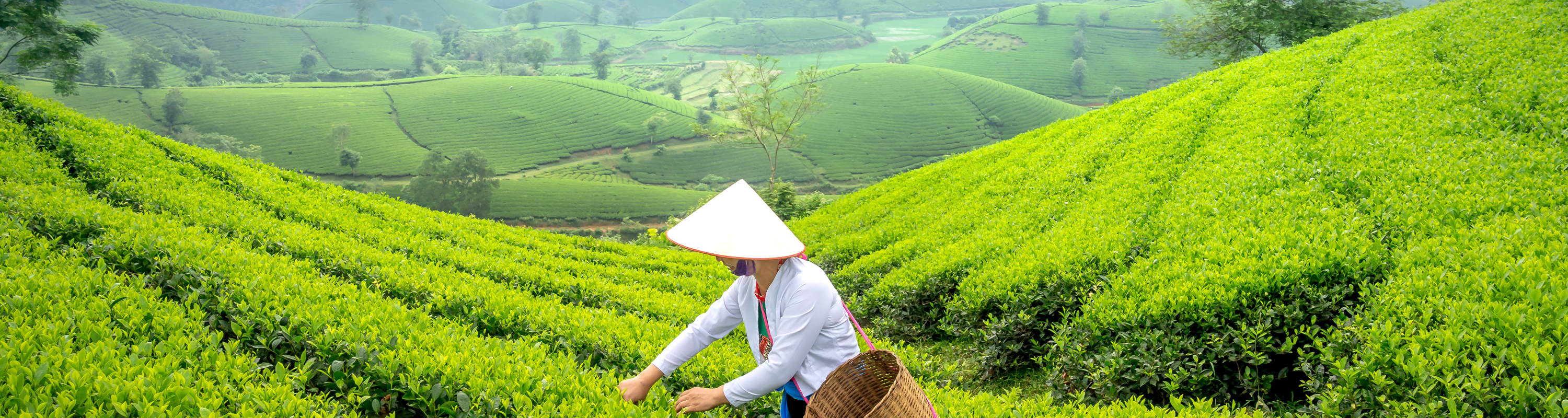
Travel through its origin, explore its properties, learn how to prepare it, discover tasting techniques and let yourself be enveloped by a story full of tradition.
What is tea?
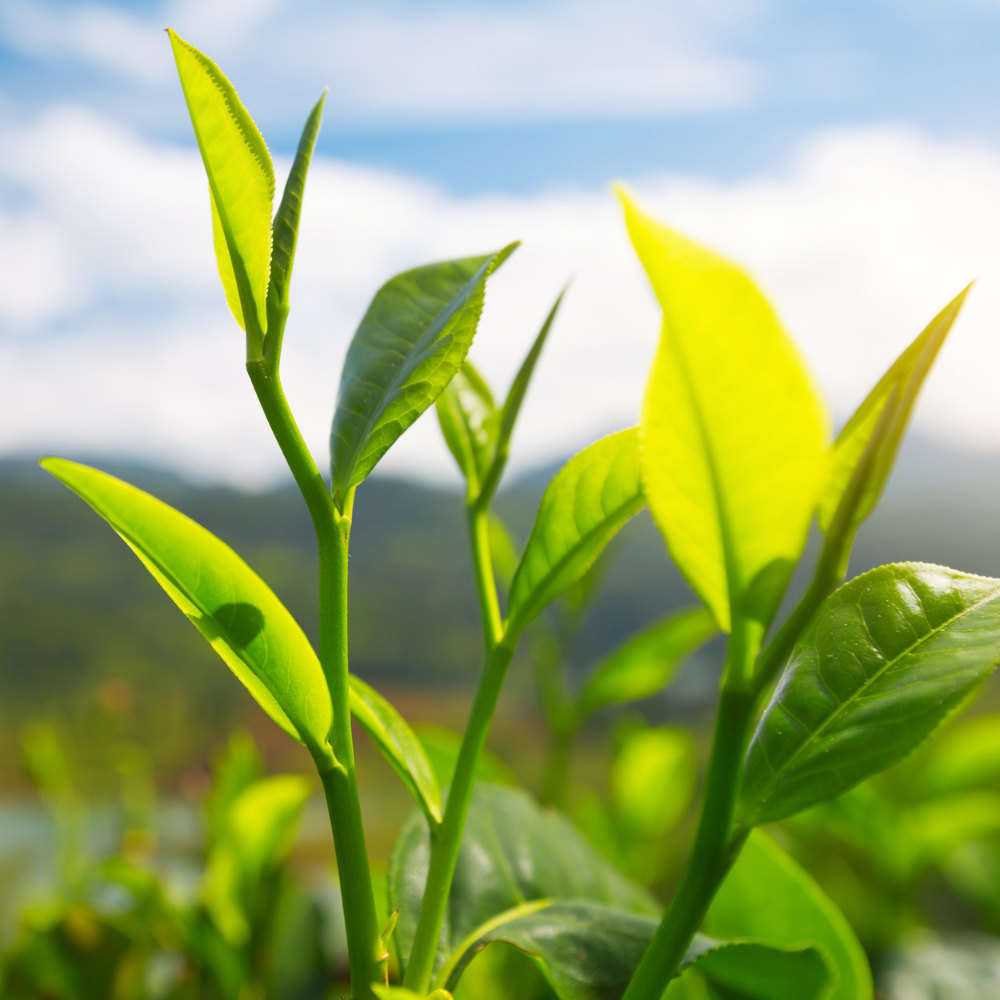
Tea (THEA SINENSIS or CAMELLIA SINENSIS) is an evergreen plant from the Camellia family. Botanists recognize two very similar varieties: the Chinese, the Assamica, and the Cambodian subspecies, all of which are used for commercial production.
Camellia Sinensis, in its Chinese variety, can reach a height of 3 to 4.5 meters and is widespread across China, Tibet, and Japan. It tolerates very low temperatures, produces leaves about 6 centimeters long, and can live up to 100 years.
Camellia Assamica is more tree than shrub, and can grow up to 13 meters tall, with leaves approximately 15 centimeters long. This variety thrives in tropical climates and has a productive life of about 40 years. The most used subspecies for hybrid production (crosses between different varieties) is Camellia Camboyana (Camellia Assamica subspecies lasiocalix), which can also grow up to 4.5 meters tall.
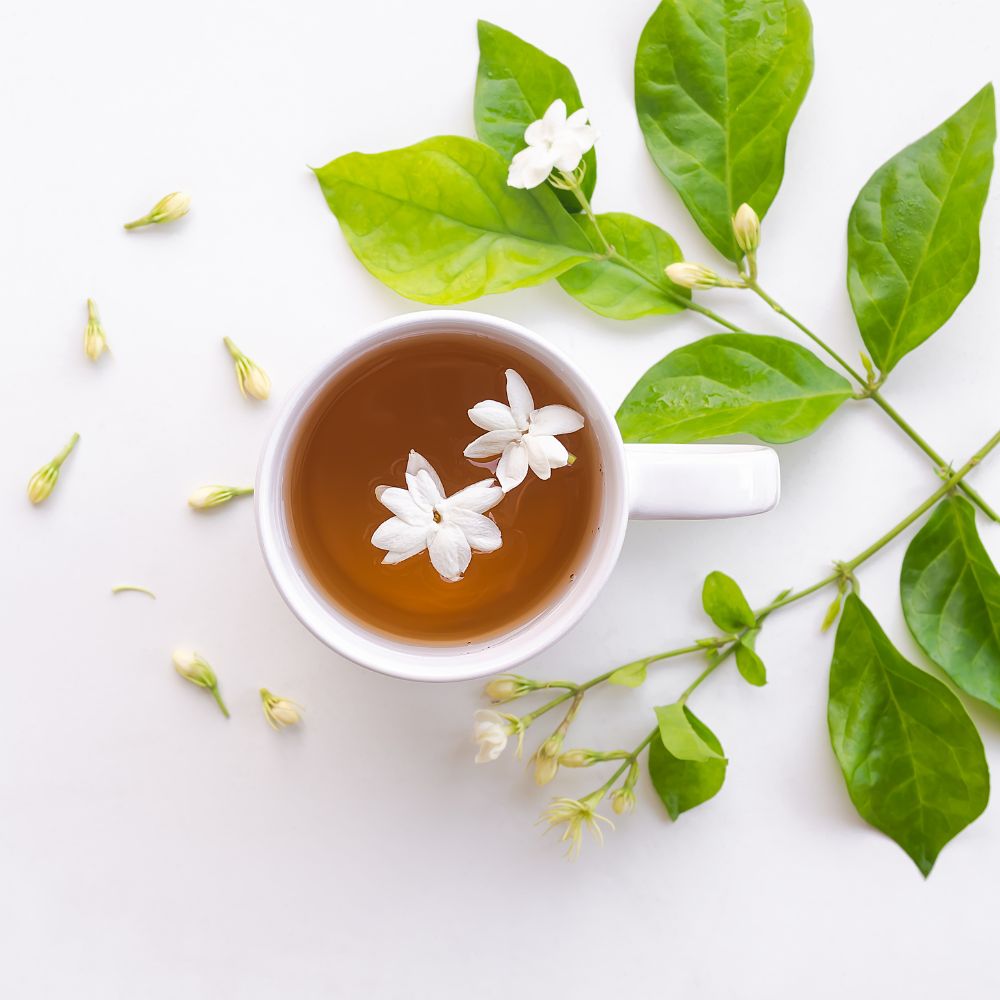
Camellia Sinensis has dark green, shiny, leathery leaves with small white flowers about 2 centimeters in diameter, with five to seven petals, similar to jasmine flowers. The fruit it produces (not used for tea production) resembles nutmeg and contains one to three seeds.
The ideal habitat for the tea tree is a warm and humid climate, with temperatures between 10ºC and 30ºC and altitudes ranging from 300 to 2000 meters above sea level. Altitude and humidity are the two key variables that determine the plant's growth, with better results at higher elevations.
Most of the world's most famous teas are high-grown, such as those from Ceylon and the best Darjeelings from India, typically cultivated at altitudes above 1200 meters.
Camelia Sinensis
The tea plant, when cultivated, is usually pruned to maintain its bush shape, increasing its ability to continually produce new buds.
From the beginning, “pruning” is designed to shape the top of the plant into a flat form: this makes it easier for new buds to grow, which is one of the key aspects of each harvest. Tea is like fine wine or quality olive oil—its flavor and final quality depend on many factors such as climate, soil, altitude, weather conditions, harvesting and handling methods, blending, packaging, transportation, and storage.
Tea plantations are usually called gardens, especially in India, in the Darjeeling and Assam regions, where a strong differentiation is made based on the origin garden, which determines the tea’s value.
The thousand names of tea
Before the word “tea” in English emerged, tea leaves had many names: tcha, cha, tay, and tee. The English name doesn’t come from the Mandarin “Tcha,” but from the Amoy dialect “té,” which was adopted during the first contacts between Dutch merchants and the Chinese in the port of Amoy, Fujian province. That name became “thee” in Dutch, and since the Dutch were the first to import tea to Europe, it became “tee” in German.
In Spanish, Italian, Danish, Norwegian, Swedish, and Hungarian it is written as “té”; in English, “tea”; in French, “thé”; in Finnish, “tee”; in Latvian, “teja”; in Korean, “ta”; in Tamil, “tey”; in Sinhalese, “thay”; and in scientific language, “Thea.”
Mandarin “cha” became “ch’a” in Cantonese and passed into Portuguese as “cha” (during Portuguese trade with Macao, where Cantonese is spoken), and then to Persian, Japanese, and Hindi. It evolved into “shai” in Arabic, “ja” in Tibetan, “chay” in Turkish, and “chai” in Russian.
Types of Tea and Properties
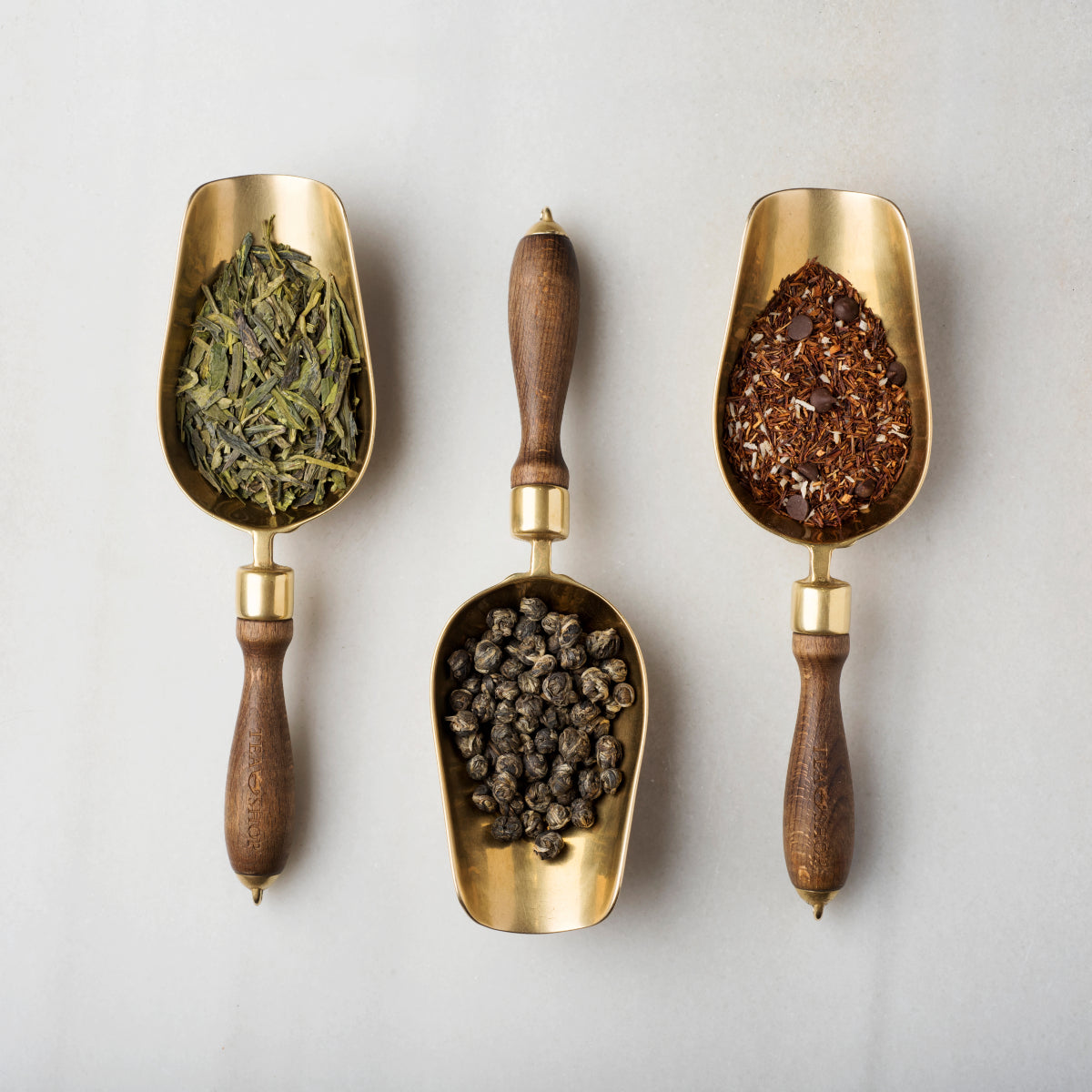
From the fresh leaves of the 'Camellia Sinensis', different varieties of tea are produced. A classification of tea into six generic colors can be made based on their color, flavor, and level of active compounds, characteristics that depend entirely on the processing methods used.
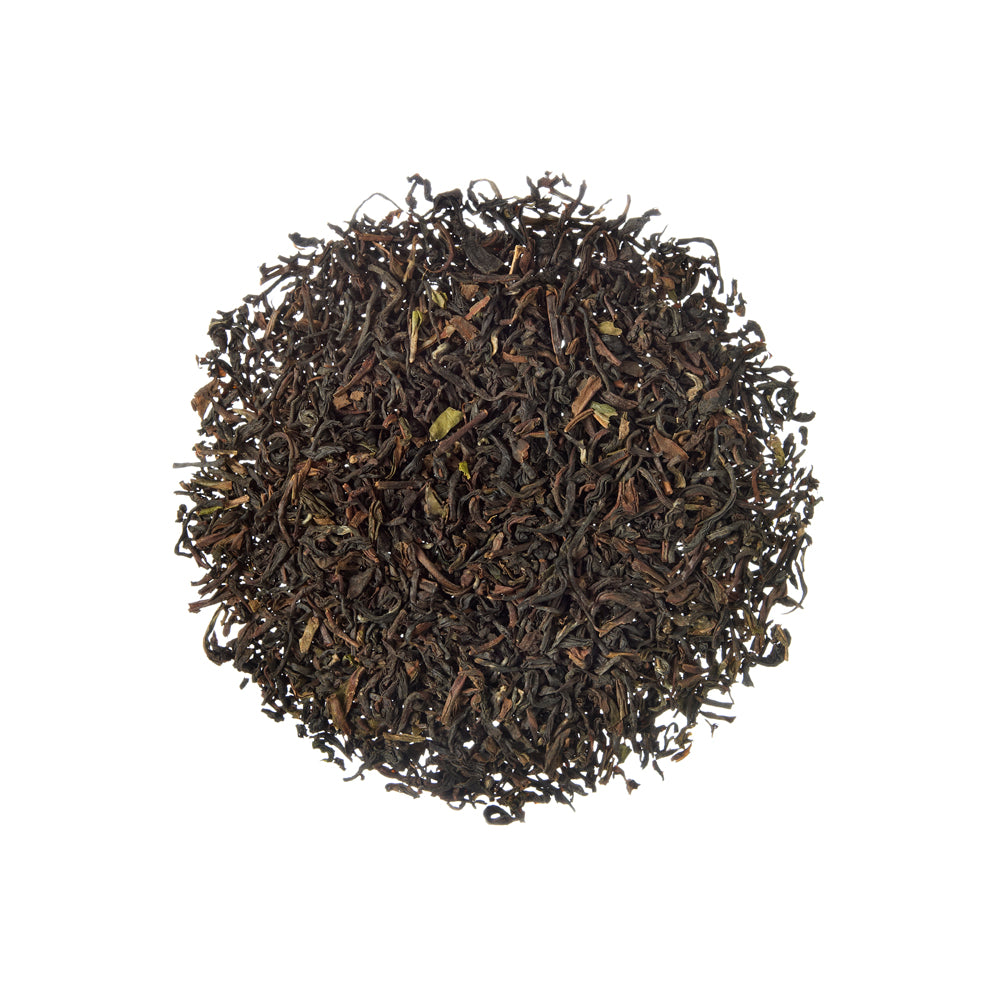
Black Tea: the boost your day needs
Processing Method
To produce this variety, the fresh leaves of Camellia Sinensis undergo a full oxidation process that transforms the original green color of the leaf into a dark brown, making the aromas more complex.
View Black Tea Selection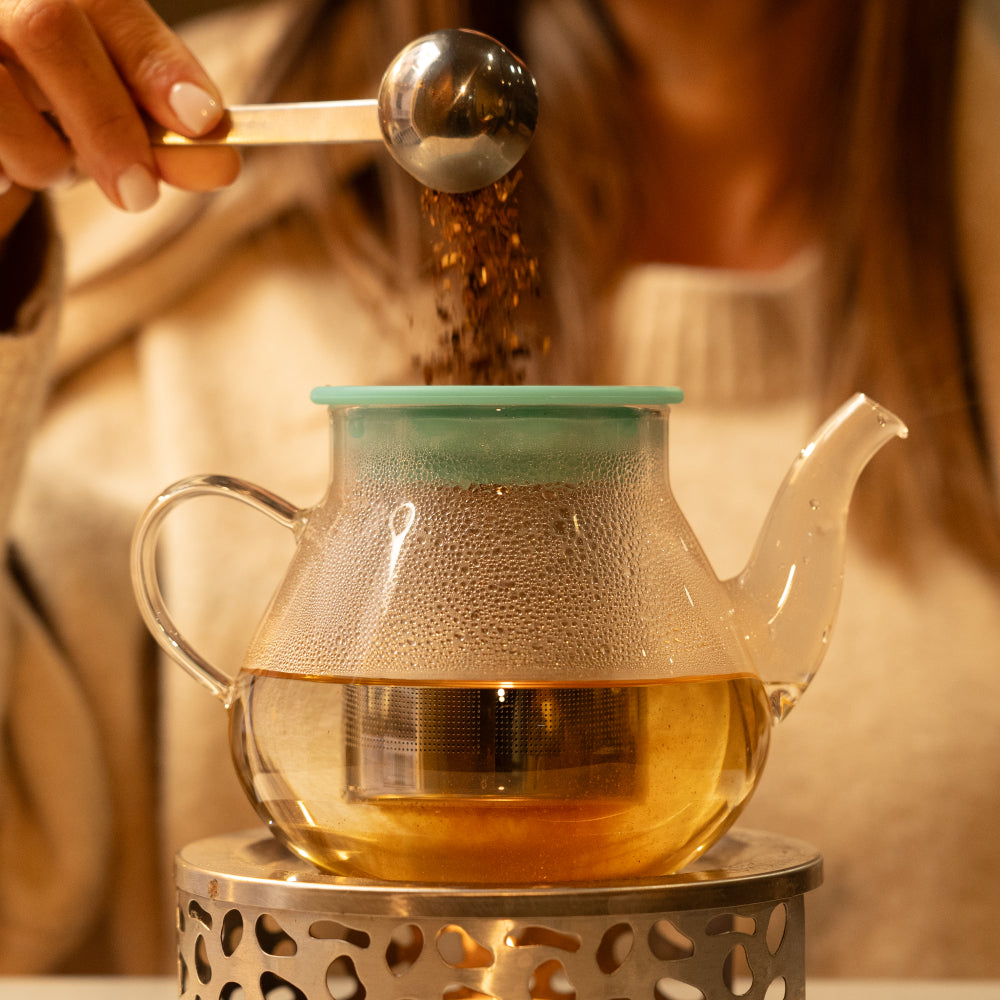
Characteristics of Black Tea
The resulting infusions have a chestnut or amber color, with full body and intense flavor. It is the most stimulating variety, as oxidation enhances the release of theine into the infusion.
View Black Tea Selection
Properties of Black Tea
With high antioxidant and fluoride content, this variety supports immune system wellness, helps care for bones and teeth, and is ideal for activating the mind and adding natural energy.
View Black Tea SelectionRed Tea (Pu Erh): your daily detox ritual
Processing Method
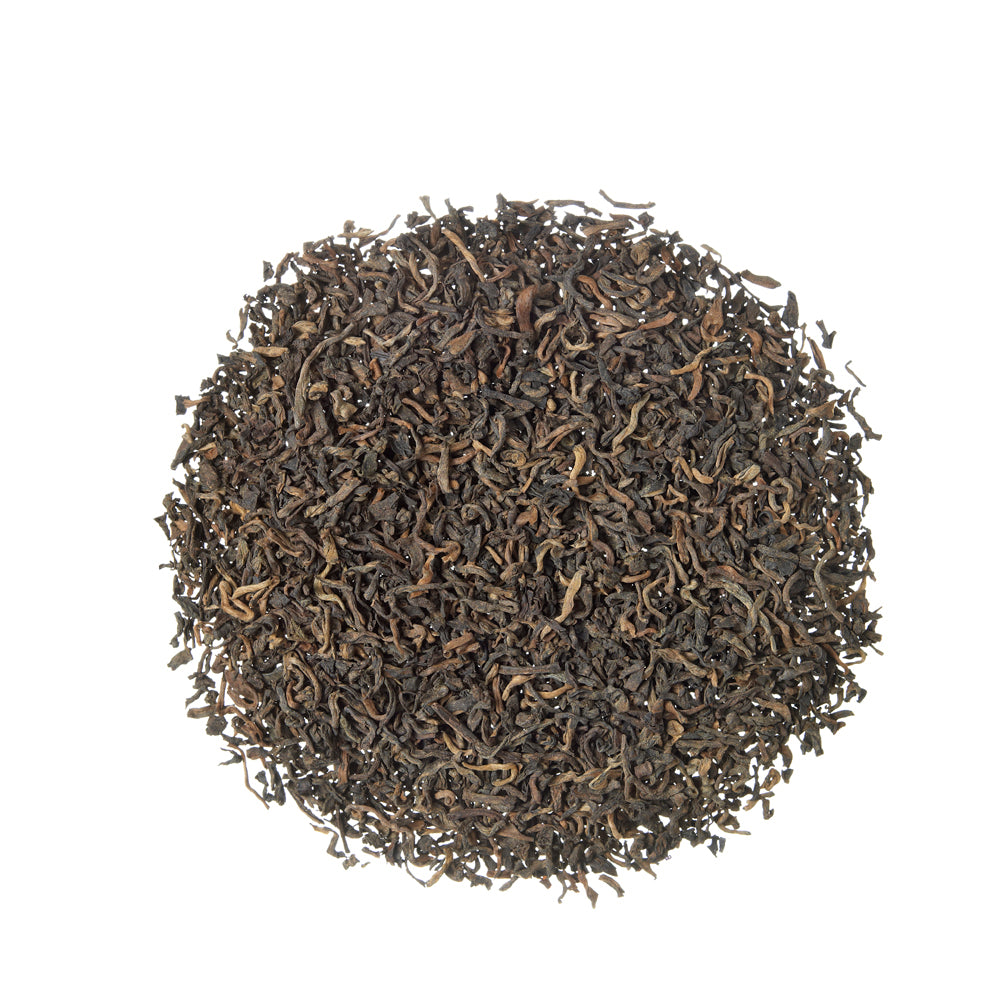
Chinese post-fermented tea made from green tea leaves, with a special fermentation process. Traditionally used in Chinese medicine, it is known for its role in weight reduction and lowering blood cholesterol levels.
View Red Tea Selection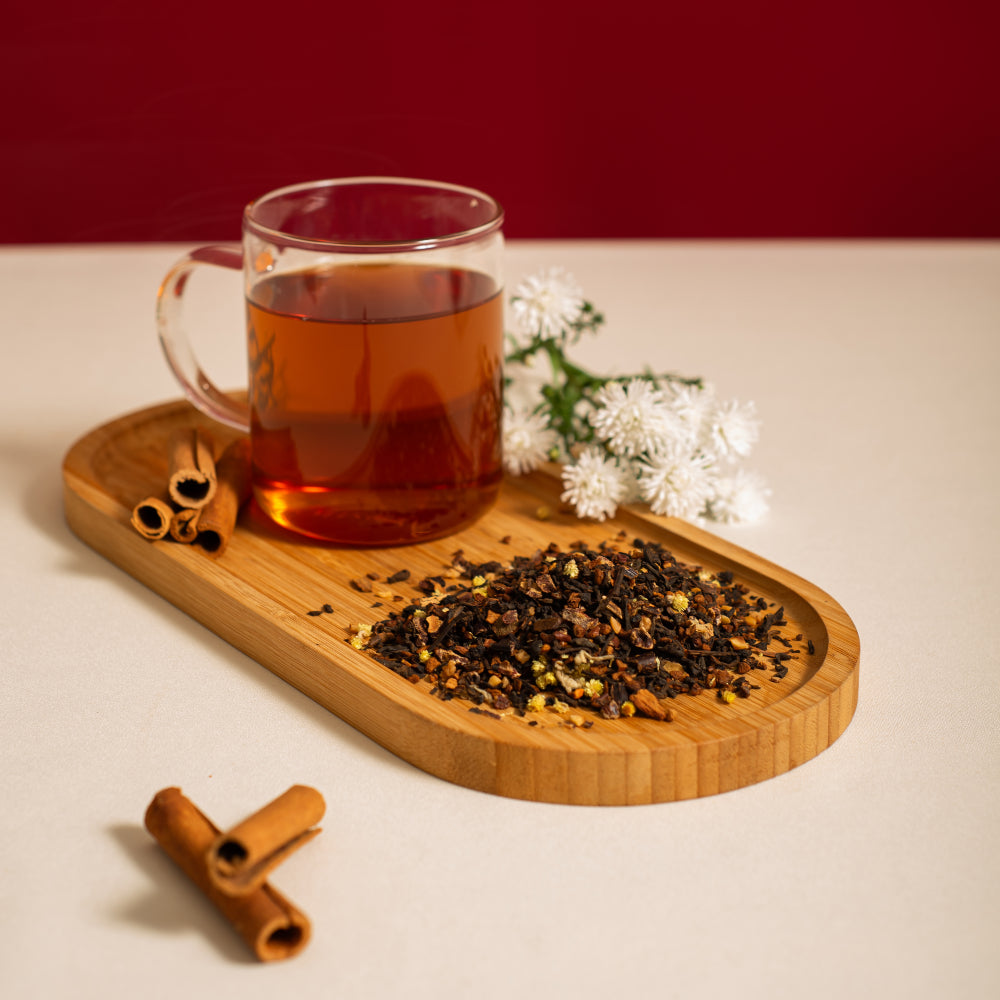
Characteristics of Red Tea (Pu Erh)
Its infusion is dark with reddish tones and has a distinctly earthy character.
View Red Tea Selection
Properties of Red Tea
A blend designed to eliminate toxins, activate the lymphatic system, and prevent fluid retention. An ally for digestion, the immune system, and cardiovascular health. Ideal for feeling light, vital, and in balance.
View Red Tea SelectionGreen Tea: antioxidants that take care of you
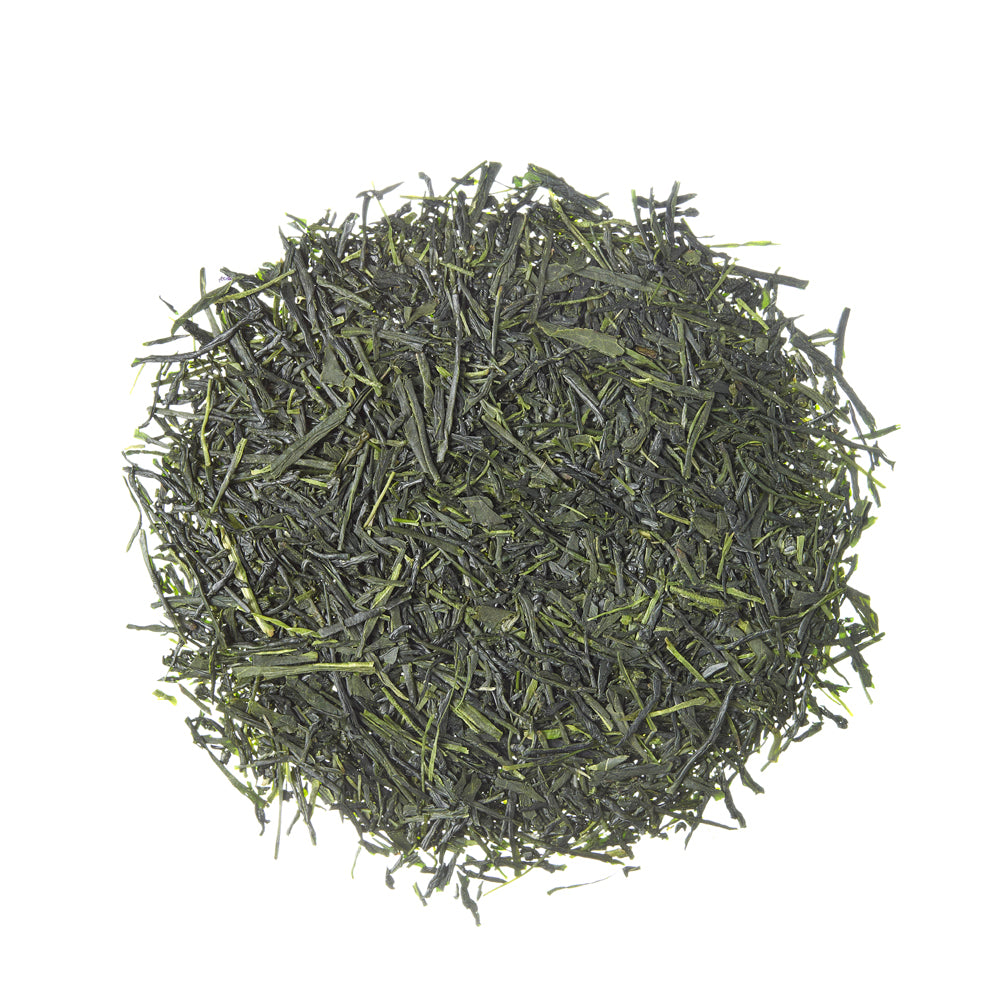
Processing Method
The oxidation of the leaves is prevented through a quick steaming process to deactivate the oxidase enzyme.
View Green Tea Selection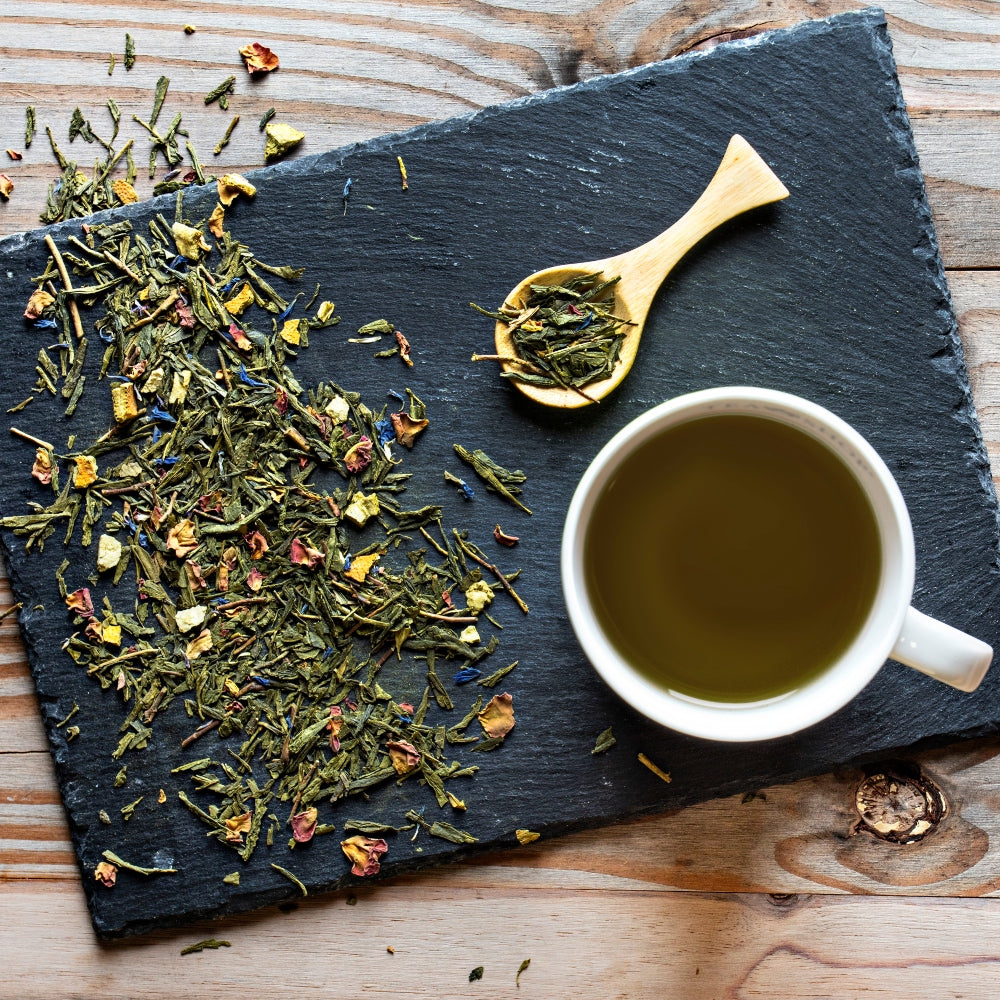
Characteristics of Green Tea
The resulting infusion is light-bodied, slightly herbal or fresh and vegetal, with yellowish, greenish or golden tones.
View Green Tea Selection
Properties of Green Tea
Fights oxidative stress, improves skin appearance, and strengthens hair and nails. Helps regulate blood pressure, promotes fat burning, and stimulates brain and diuretic function. Ideal for feeling active and in balance.
View Green Tea SelectionWhite Tea: your beauty moment in every sip
Processing Method
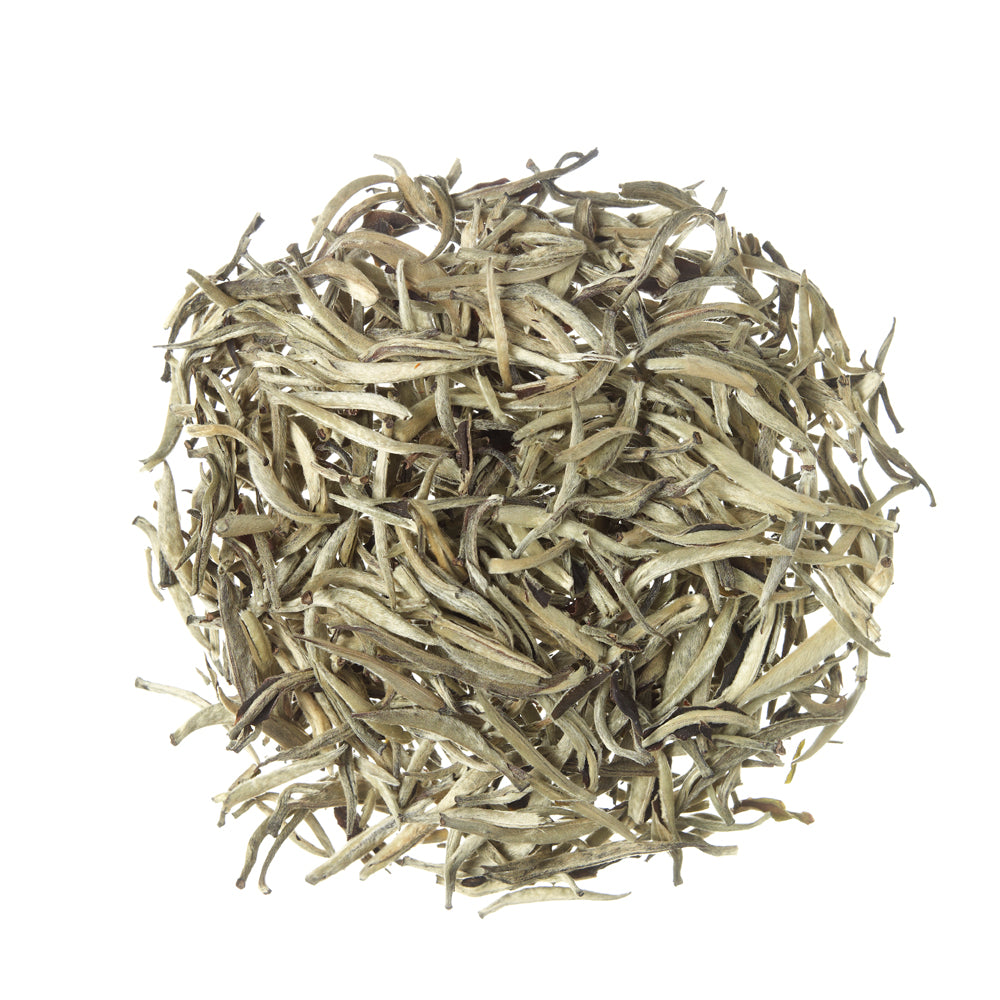
It is made from the plant's three terminal leaves, with the unopened bud covered in a “white fuzz,” which gives this variety its name. The unoxidized leaves are withered and dried by hand, preserving all the flavor and properties of the plant.
View White Tea Selection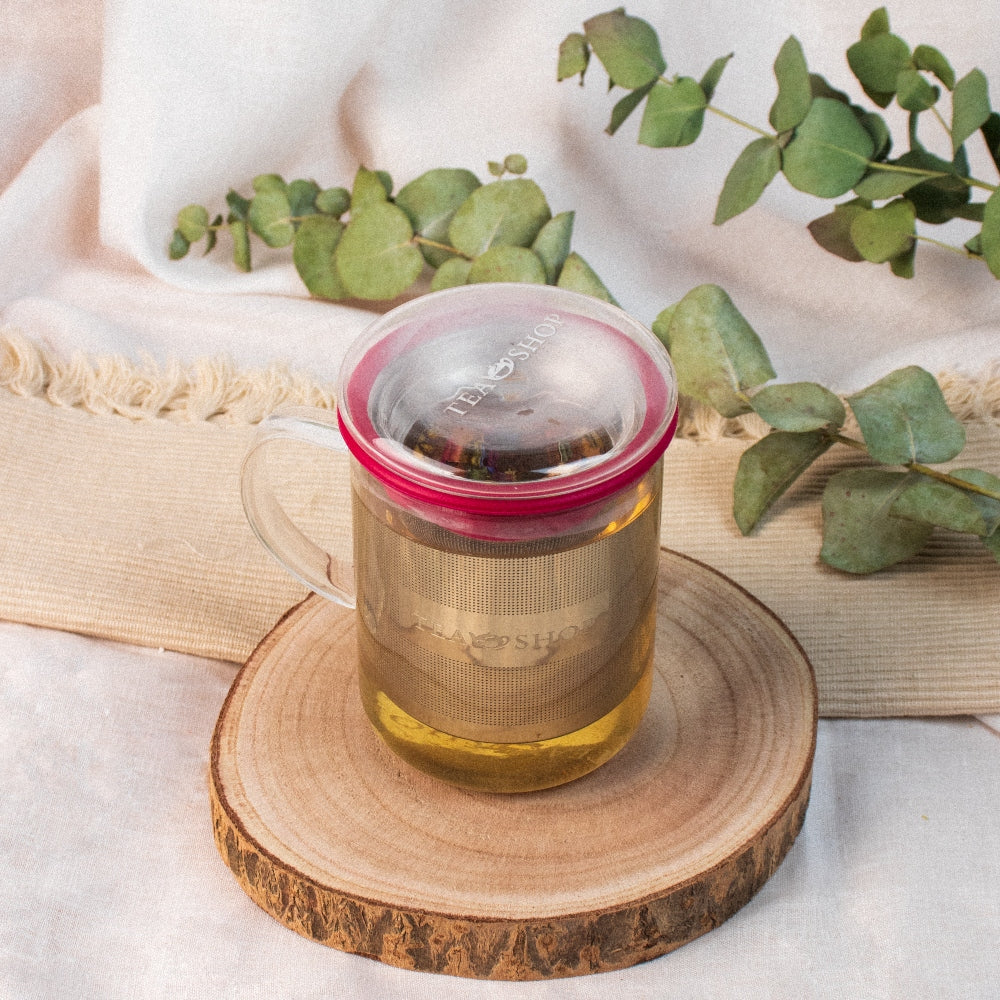
Characteristics of White Tea
This is the most select and distinguished category, known for its maximum antioxidant content.
View White Tea Selection
Properties of White Tea
The richest in antioxidants: a true elixir of beauty and youth. Visibly improves the skin, stimulates the diuretic effect, and may help with natural weight loss.
View White Tea SelectionOolong Tea: balance, digestion, and vitality
Processing Method
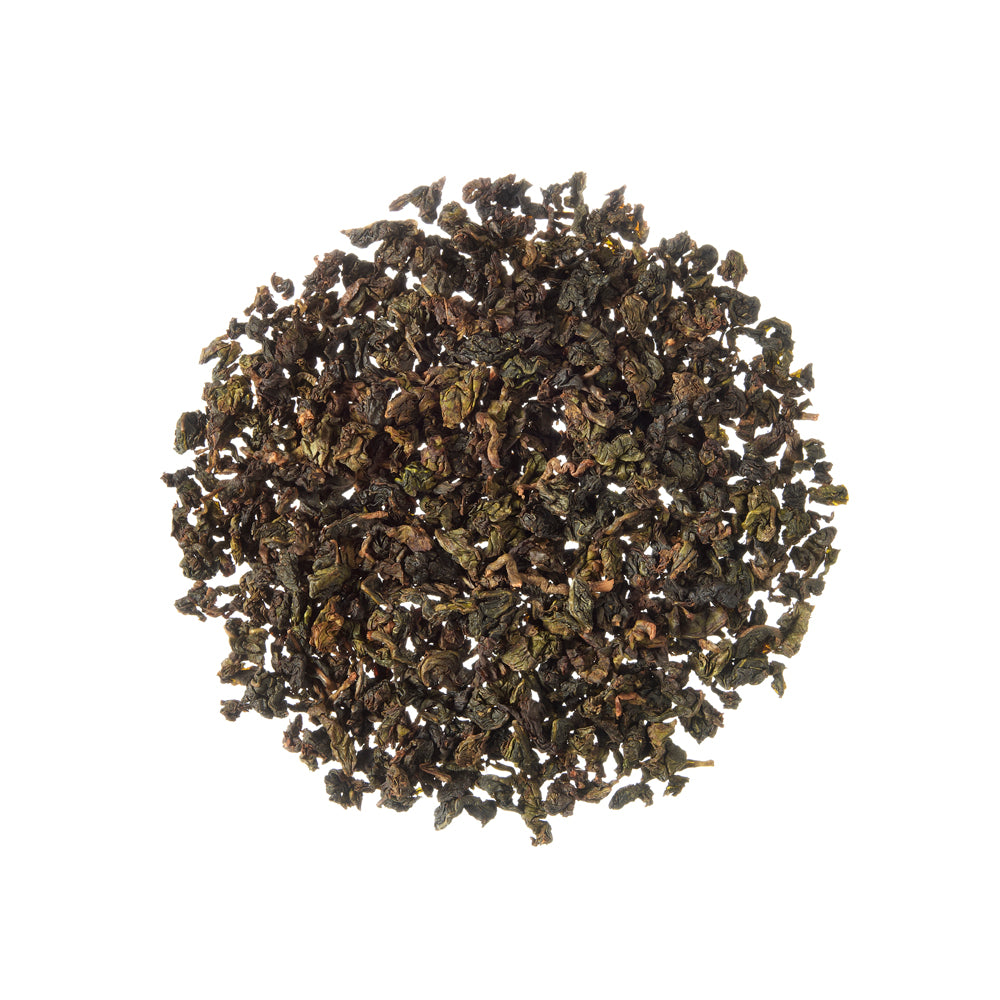
In its production, the tea is subjected to a leaf rolling process repeated up to twenty times. This variety combines characteristics of both green and black tea, with one or the other standing out depending on the level of oxidation.
View Oolong Tea Selection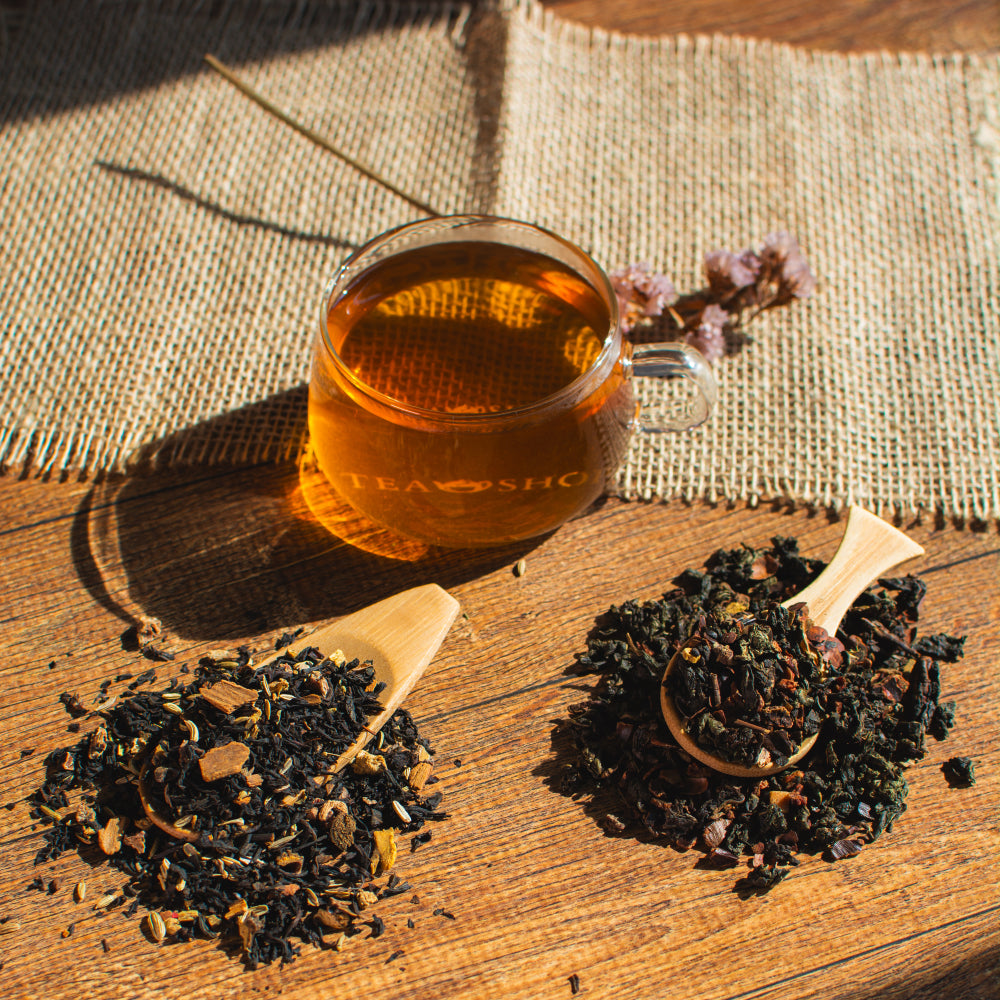
Characteristics of Oolong Tea
The resulting infusion has a balanced, non-astringent, slightly toasted flavor and displays ochre-orange colors.
View Oolong Tea Selection
Properties of Oolong Tea
Strengthens the immune system, protects the liver, and helps maintain blood sugar balance. Contributes to reducing cholesterol, strengthening bones, and naturally boosting metabolism.
View Oolong Tea SelectionYellow Tea: antioxidant and digestive ally
Processing Method
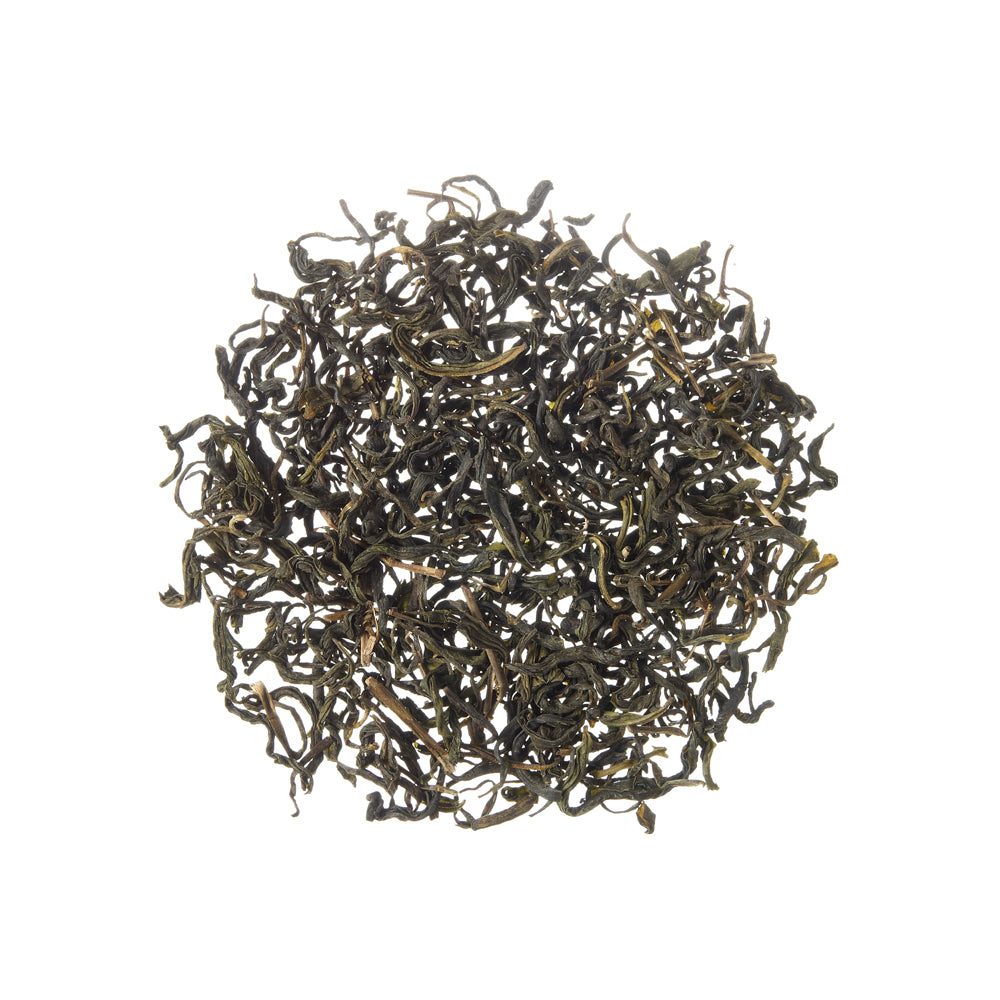
Its unique production process is very old. The leaves are steamed, as with green tea, to prevent oxidation, and then covered with cloths to dry slowly until completely cooled.
View Yellow Tea Selection
Characteristics of Yellow Tea
This slow drying process causes the leaves to darken slightly, resulting in a yellow-colored infusion. It stands out for its diuretic and antioxidant effects. Also known as semi-oxidized tea or “Blue Tea.”
View Yellow Tea Selection
Properties of Yellow Tea
With powerful antioxidant and anti-inflammatory action, it is a great digestive and diuretic ally. Perfect for an extra dose of wellness, calm, and balance.
View Yellow Tea SelectionOther beverages and properties
We offer a wide selection of Rooibos and Infusions on our menu. Although they don't come from the tea plant, they have many health benefits, including a high vitamin and mineral content, digestive and relaxing properties, and are stimulant-free. They are the perfect alternative to tea for moments of pure relaxation or a healthy option for children and people with caffeine sensitivity.
Herbal Infusions: the best of nature in your cup
Processing Method
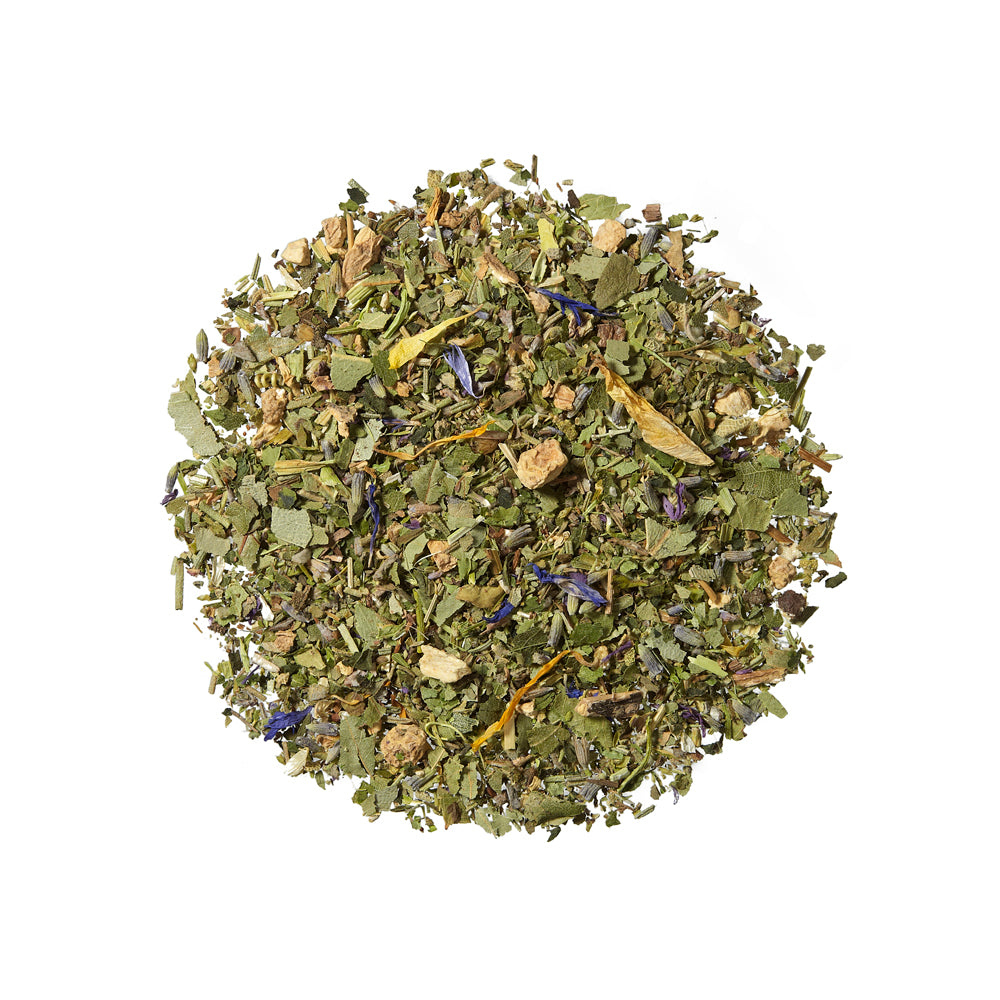
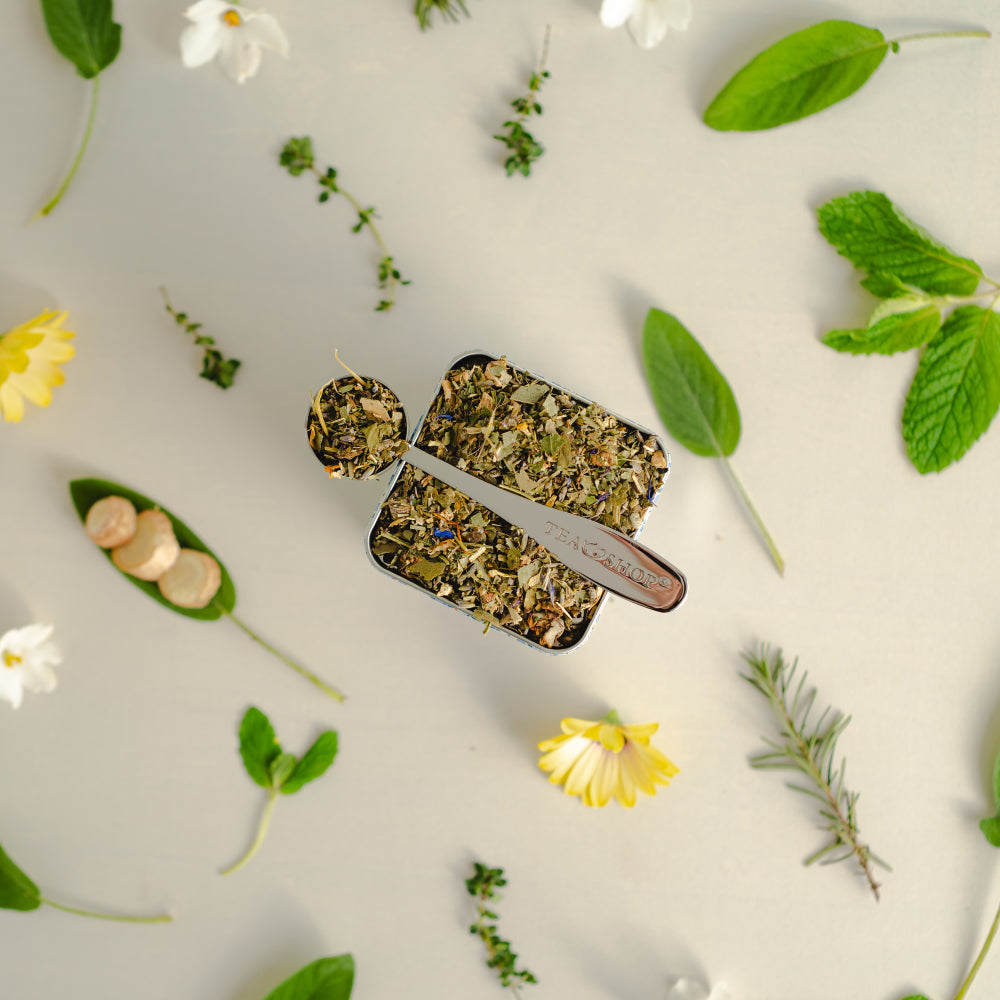
Our infusions are made from selected leaves, flowers, roots, seeds, and fruits of 100% natural herbs and plants. Each blend is designed to provide well-being, flavor, and a moment of calm in your daily routine.
View Infusions Selection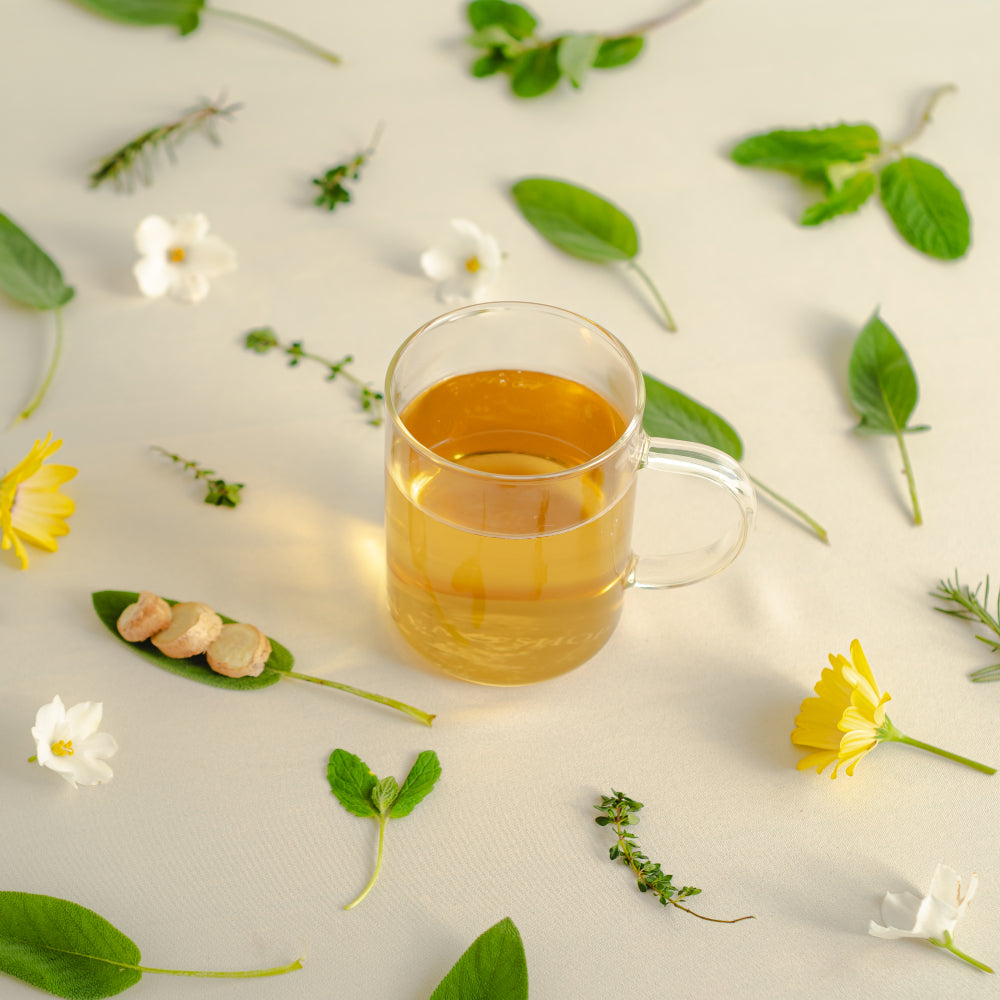
Characteristics of Infusions
There are countless combinations to suit consumer tastes, such as floral or fruity blends. Take care of your body and feel better thanks to infusions.
View Infusions SelectionProperties of Infusions
Purifies, calms, and revitalizes. Helps with digestion, rest, and emotional balance, while providing a natural boost of vitamins, minerals, and caffeine-free energy.
View Infusions SelectionRooibos: your daily dose of vitamins and minerals
Processing Method
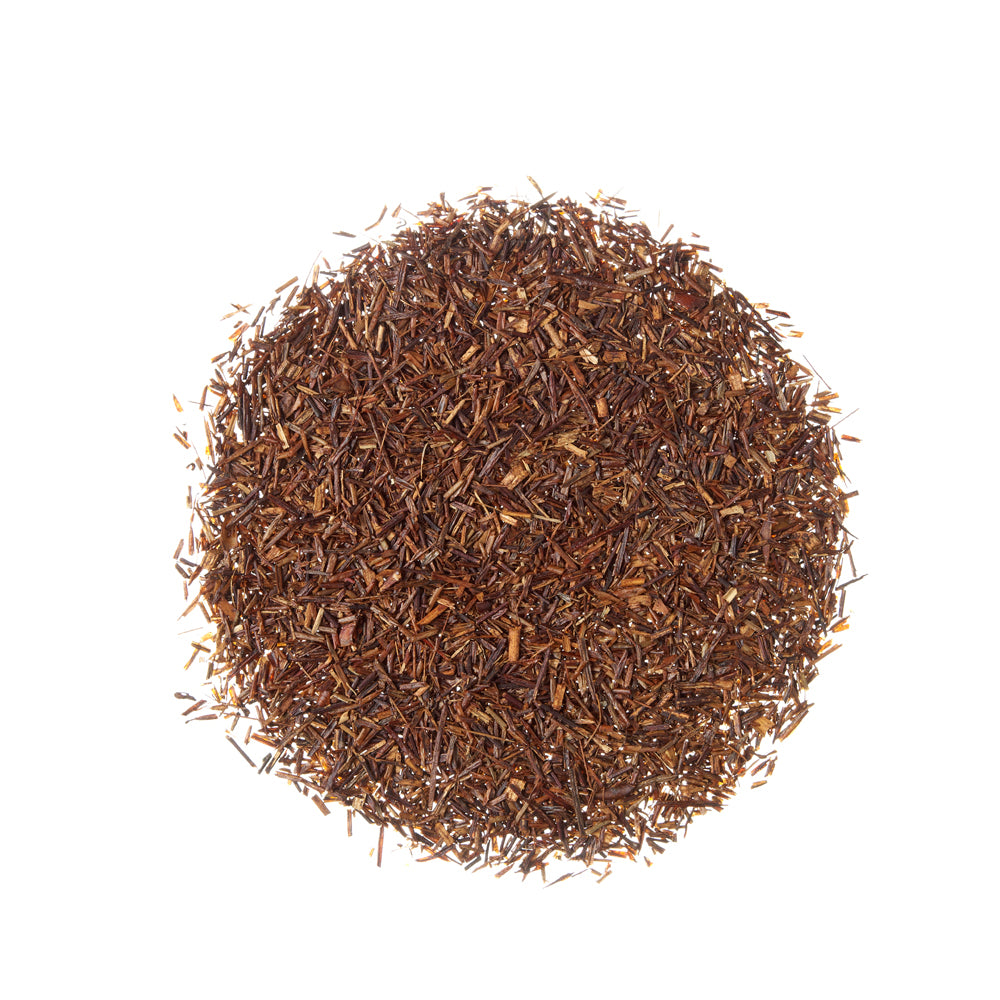
To make rooibos, the leaves are left to oxidize in the sun—just like tea—and it is this oxidation process that gives rooibos its flavor and characteristic red color.
View Rooibos Selection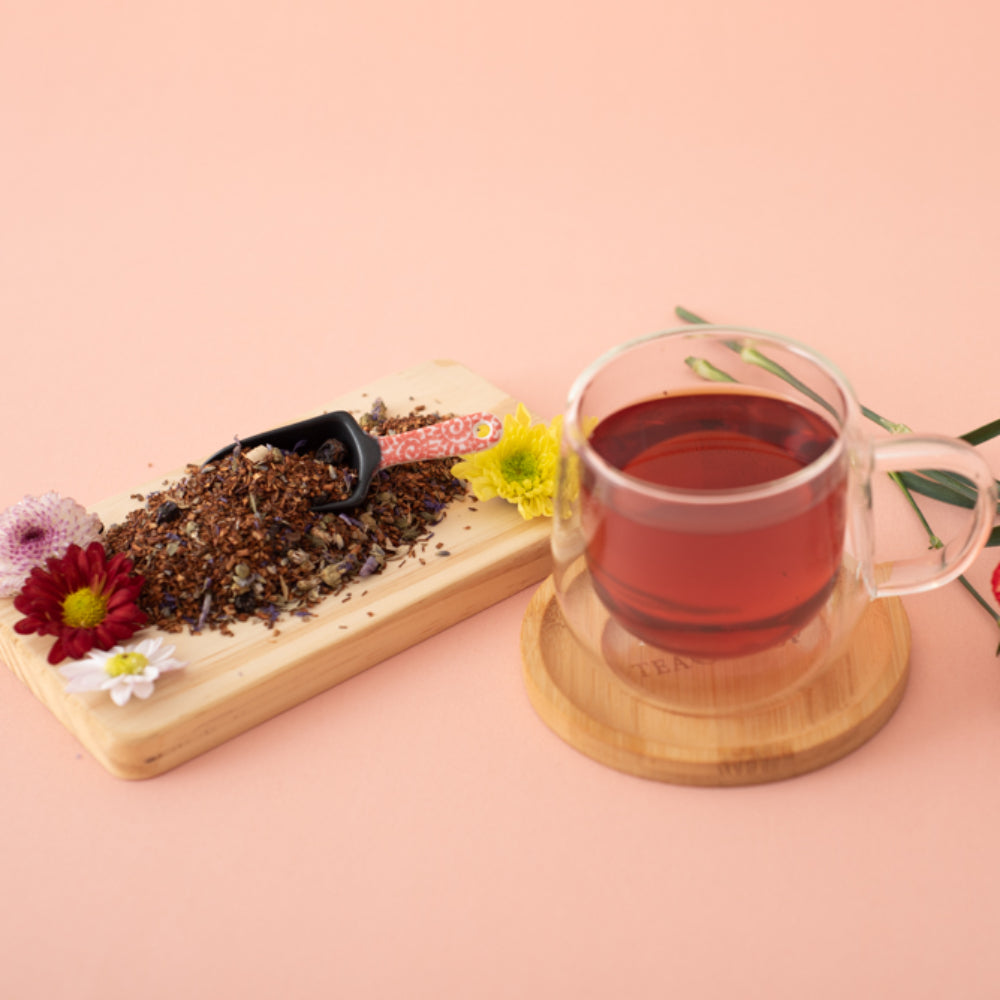
Characteristics of Rooibos
Rooibos comes from Aspalathus linearis, a small tree from South Africa. In Afrikaans, “rooibos” means “red bush,” referring to the color of its leaves once dried.
View Rooibos Selection
Properties of Rooibos
With a natural antihistamine effect, it helps relieve allergies gently. It is isotonic, digestive and relaxing, protects against premature aging, and supports the health of bones, muscles, and teeth.
View Rooibos SelectionMake your tea like an expert
Recommendations
Do you know how to prepare the perfect cup of tea? Become an expert at making tea!
Recommendations
- The water for the tea must be soft and never let it boil. This way, your infusion will be more aromatic.
- The water temperature and infusion time are different for each tea. Take care of them and your tea will not be bitter.
*The temperature and minute indications are those indicated to preserve all the antioxidant properties and obtain a suitable flavor. If we exceed the minutes, it tends to become bitter; if we exceed the temperature, we lose some of the antioxidants and it can become bitter.
Season your teas
Follow our tips for each variety to get the best results:
- To make your favorite varieties more appetizing, you can add honey, syrup, or other sweeteners.
- In the case of Black Tea, the use of milk tones down the astringency, softening its flavor.
- You can also opt for plant-based drinks for less tannic varieties such as Pu Erh red tea, Matcha tea, and some herbal teas.
- Another ingredient that improves many infusions is lemon; it refreshes and softens the flavor of black or green teas and herbal teas.
Preparation according to type of tea
How to prepare Black Tea?
- Theine Level: High.
- Preparation method: Infuse 2g (1 measure) at 95 ºC for 4 min.
See selection of Black Tea
How to prepare Red Tea?
- Theine Level: Low.
- Preparation method: Infuse 2g (1 measure) at 95 ºC for 3-5 min.
See selection of Red Tea
How to prepare Green Tea?
- Theine Level: Low.
- Preparation method: Infuse 2g (1 measure) at 85 ºC for 3 min.
See selection of Green Tea
How to prepare White Tea?
- Theine level: Low.
- Preparation method: Infuse 2g (1 measure) at 75 ºC for 3 min.
See selection of White Tea
How to prepare Oolong Tea?
- Theine level: Medium.
- Preparation method: Infuse 2g (1 measure) at 85 ºC for 3min.
See selection of Oolong Tea
How to prepare yellow tea?
- Thein level: Low.
- Preparation method: Infuse 2g (1 measure) at 85 ºC for 3min.
See selection of Yellow tea
How to prepare Infusions?
- Thein Level: Nil.
- Preparation method: Infuse 2g (1 measure) at 95 ºC for 5-10 min.
See selection from Infusions
How to prepare Rooibos?
- Theine level: Zero.
- Preparation method: Infuse 2g (1 measure) at 95 ºC for 5-10 min.
See selection of Rooibos
How to prepare iced tea?
- Put the tea in the cup or teapot filter. For every 200 ml cup you will need 1 measure (2 g). If you prefer a jug, add 3 measures.
- Pour the hot water over the leaves and let them steep for 2-5 minutes.
- Remove the filter and pour the tea into a jug/cup with ice or very cold water and... that's it!
Recommendations for a perfect ICE TEA:
- Use quality tea. It contains more antioxidants and is more aromatic, which will guarantee healthy and tasty infusions.
- Always with mineral water. This ensures that your tea has a delicious flavor, without defects due to the quality of the water.
- Add citrus fruits to enhance the action of the antioxidants. Citrus juice improves the absorption of antioxidants and also makes the drink more refreshing.
- Prepare large pitchers. You can consume your natural ice tea over a period of 24 hours. If you never run out of it in your fridge, you'll drink fewer soft drinks.
- Make ice with your infusions. If you have leftover prepared tea that you won't drink, put it in a drawer for making ice cubes and you'll have flavored ice. Combine them with your next ice tea or with your favorite drinks.

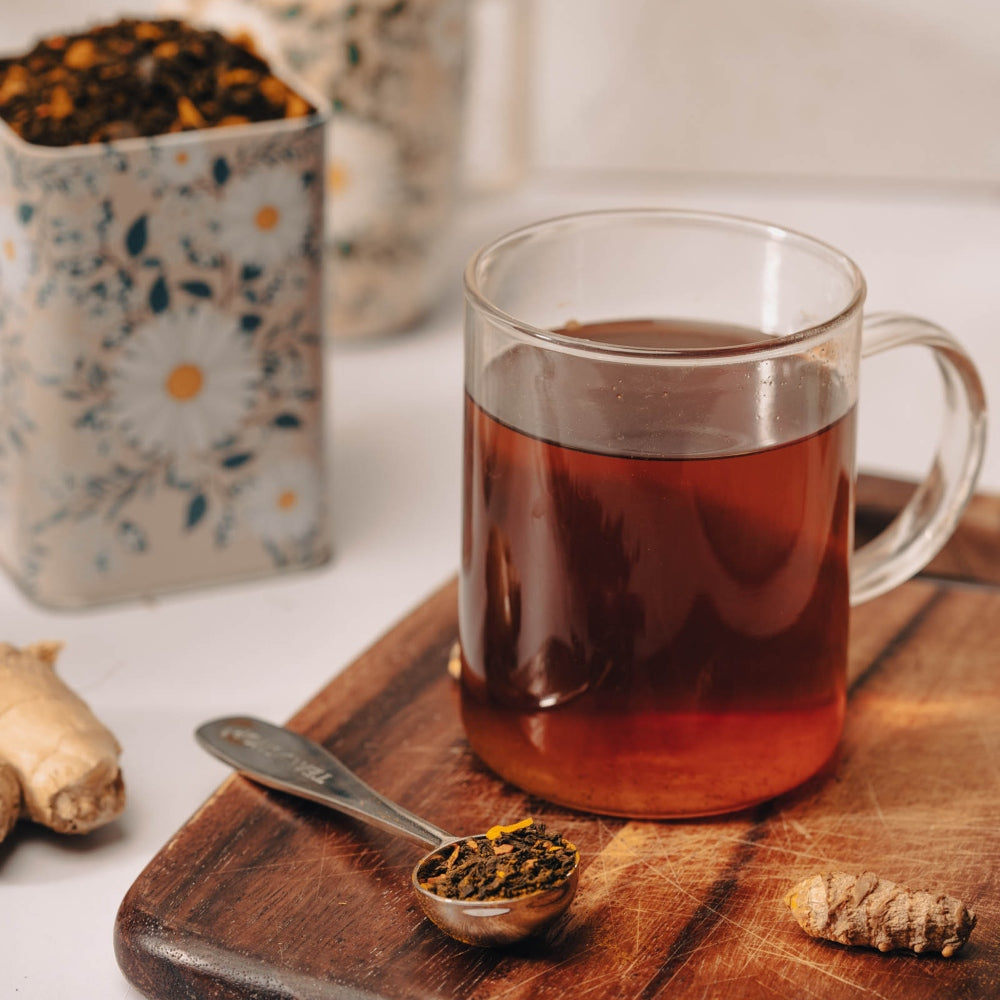
Why is Tea Shop tea one of the best in Europe?
Introduction
The passion and pride of working in the world of tea, which drives our constant evolution, has allowed us to offer a carefully selected, high-end quality product within the framework of a thoughtful service.
We treat tea with the gentleness that a product with 2,000 years of history deserves, and since 1990 we have been guiding our knowledge and experience toward the preparation and quality of our products, which we handle with respect and rigor.
We will never sacrifice tea quality because quality is an essential part of the soul of Tea Shop.
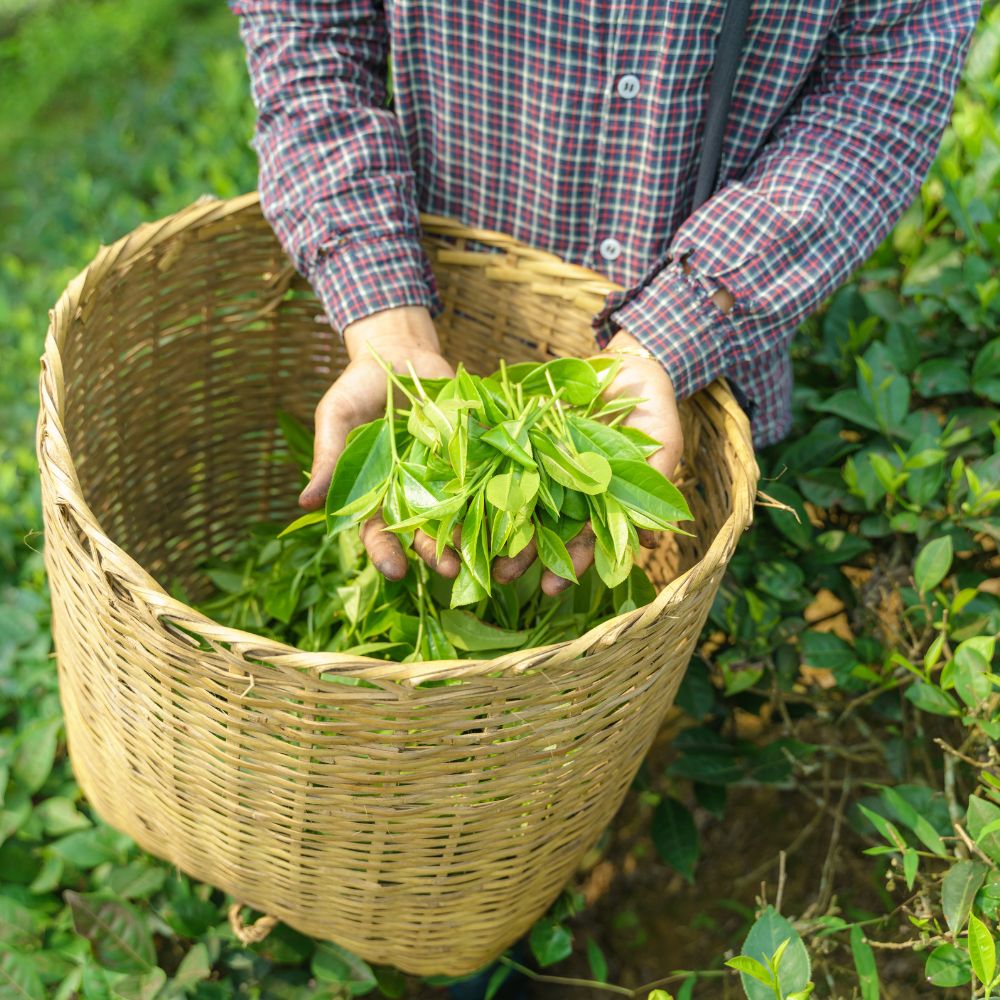
1. Our close collaboration with international merchants allows us to select the best harvests and plantations in the world, where the tea is handpicked. This care in collecting only young and tender leaves results in higher quality and freshness.
2. Behind the tea trade, human relationships are above all. The production processes at origin are evaluated to ensure fair treatment of both the environment and the people working there. This relationship with growers and merchants gives us a competitive advantage in selecting the best.
3. We use specific and controlled ingredients for each of our formulations of teas with flowers, berries, and aromas. The base teas are of the highest quality and specific to each blend. In the mix, we use natural or nature-identical aromas that provide the fresh and lasting touch that characterizes our blends.
4. Our modern mixing and double-layer heat-sealed packaging systems ensure the freshness and quality of our product at every step of the supply chain. We package our teas for distribution in maximum quantities of 1 kg, designing storage and transport processes based on the fragility of the leaves to protect their integrity from origin to final consumer.
5. In our stores, tea is stored in corporate tins, specifically designed for this purpose, maintaining the necessary fresh and dry environment. Packaging for retail sale is done in triple-layer bags, with the inner layer made of rice paper to cradle the tea leaves as comfortably as possible.
6. All these processes are controlled following the strict EU regulations. In addition, our traceability system—i.e., batch number for each tea lot—ensures tracking from origin to final consumption and allows for product rotation management at the point of sale.
7. As members of the Spanish Association of Teas and Infusions (AETI), we comply with European and Spanish legislation, including the relevant licenses and registration numbers from the Health Registry as tea importers and handlers.
8. We have limited our range of teas and infusions to around 120 varieties to optimize their rotation in stores. Our assortment, the result of serving more than 500,000 people each year, offers the right diversity to meet our customers’ needs. This balance allows us to offer our products at their peak of freshness and naturalness.
9. The accessories we offer for sale are fully guaranteed for food use. In addition, our selection system only accepts functionally suitable accessories for use with tea.
10. We are convinced that the pleasure and satisfaction provided by a good cup of tea is only possible by treating the product with respect and utmost care, hence the high added value of our products, which sets us apart at the European level. Our prestige and the loyalty we owe our customers make our commitment to quality non-negotiable. Among our tea range, we offer organic varieties distinguished by certified seals.
Certifications
RAINFOREST ALLIANCE CERTIFIED™
Our Nilgiri Korakundah Mountain Tea NOP/FOP carries the Rainforest Alliance Certified™ seal and comes from Rainforest Alliance certified estates in India. To obtain this certification, estates must meet comprehensive standards for sustainable agriculture that help protect wild areas, water sources, wildlife habitats, as well as the rights and well-being of workers, their families, and communities. Buying tea with the Rainforest Alliance Certified™ seal contributes to a healthier planet and better quality of life for producing communities. To learn more about Rainforest Alliance, visit www.rainforest-alliance.org/es.
UTZ
UTZ represents sustainable farming with better prospects for farmers, their families, and our planet. That is why Tea Shop offers our Darjeeling Nagri Garden Tea NOP/FTGFOP1, which is included under this certification thanks to its good practices. If you buy UTZ-certified coffee, cocoa, or tea, you help build a better future. UTZ represents sustainable agriculture with improved outlooks for farmers, their families, and the planet. Thanks to the UTZ program, farmers learn better agricultural practices, create better working conditions, and can take better care of their children and nature. In this way, UTZ makes a large-scale positive contribution: farmers get better yields, better income, better prospects, and also care for the environment and safeguard the earth's natural resources. To learn more about UTZ, visit www.utz.org.
Tea Tasting
Olfactory Phase
You should always smell it for a while before bringing it to your lips. It's essential to bring your nose close to the surface and learn to briefly but effectively swirl the cup so that the movement of the liquid causes the evaporation of its aromatic elements.
These are divided into a wide range of 'series' that only experience and tasting with experts can help you master. According to classical guidelines, aromas are classified into the following series:
- Animal (leather, butter...)
- Floral (orchid, rose, jasmine...)
- Woodland (undergrowth, damp earth, mushroom...)
- Vegetal (vegetables, asparagus, spinach, peas…)
- Herbal (grass, hay, fresh plants…)
- Fruity (apple, grape, peach, red fruits, exotic fruits...)
- Balsamic (eucalyptus, licorice...)
- Woody (sandalwood, cedar, pine, resin...)
- Spicy (pepper, cinnamon...)
- Toasted (tobacco, caramel, cocoa, roasted...)
- Marine (sea water, algae, iodine…)
Gustatory Phase
The sense of taste activates the so-called “taste buds,” mostly located on the tongue, although some are found on the palate, with varying sensitivity.
The nerves (mainly facial) connected to the taste buds transmit nerve impulses to the brain center located in the medulla oblongata (continuation of the spinal cord at the base of the skull); from there, the impulses reach the upper and inner areas of the parietal lobe, closely connected with the brain area related to smell.
The human tongue contains nearly 10,000 taste buds, unevenly distributed on its upper surface, forming zones sensitive to specific chemical compounds that produce taste sensations. The main flavors are categorized as: sweet, salty, sour, bitter, and umami. The fifth flavor, umami—Japanese for “savory”—was first isolated from kombu seaweed broth.
Chemical components from food dissolve in the moisture of the mouth and penetrate the taste buds through pores on the tongue’s surface, coming into contact with sensory cells. When a receptor is stimulated by one of the dissolved substances, it sends nerve impulses to the brain. The frequency of these impulses indicates the intensity of the flavor.
80% of what we perceive as taste is actually aroma. Humans can distinguish around 20,000 different smells, each with more than 10 levels of intensity. The sense of smell is triggered when odors reach the olfactory receptors in the nasal cavity via two pathways: through the nostrils when inhaling and through the inner mouth when chewing and swallowing.
Gustatory Phase
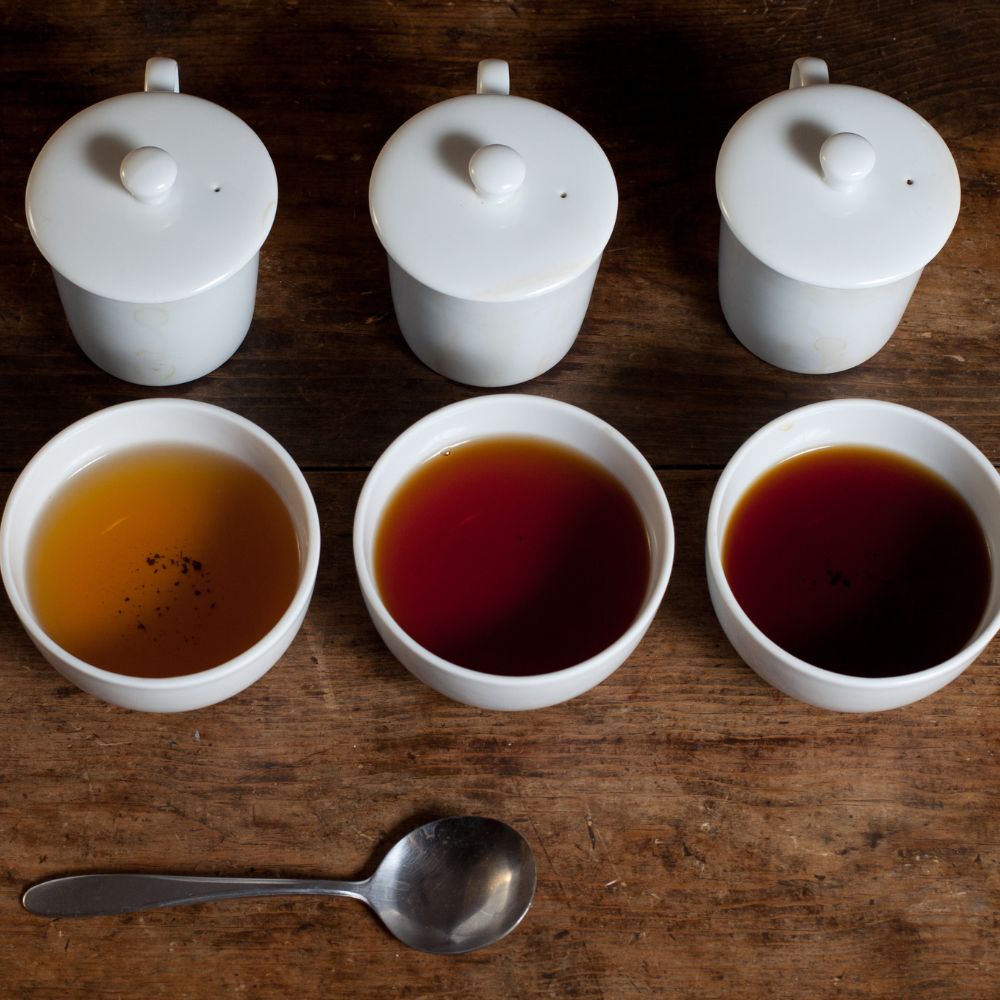
The clarity and color (intensity, hues, transparency) of tea are observed. The appearance of tea says a lot about it; color is the first contact, and it should invite you to drink. The intensity of the color gives a clearer idea of the tea’s body and tannic structure. A strong, deep, and concentrated color often indicates a robust tea, rich in tannins; whereas a light color suggests a tea that is lighter in body and shorter on the palate—still pleasant and true to its type.
Color reveals oxidation levels or production processes. The yellowish-green of Japanese green teas points to their steaming process. In contrast, Chinese greens that have been pan-fired acquire more coppery tones, such as antique gold, copper, or pale yellow.
Clarity reflects the presence of suspended particles. It must not be confused with turbidity, which indicates poor storage or use of old or broken leaves. Analyzing clarity helps determine if a tea is bright, clean, transparent, matte, opaque, murky, dull, or cloudy. Clarity, transparency, and shine are ideal in white, green, and oolong teas. In black and red teas, clarity may exist even with less transparency, which depends on color intensity.
Tasting Glossary
Below you will find detailed definitions of the tasting descriptors used in this manual.
- Acrid: Unpleasant sharpness due to excess acidity.
- Fruity: A tea that contains the aroma of ripe, fresh grapes. Also applies to the presence of other fruits.
- Flat: Lacking aromatic characteristics, finesse, or fruity notes; perceived as dull and lifeless.
- Sour: Strongly acidic flavor combined with bitterness, typical of some citrus fruits like grapefruit.
- Woody: Aromatic note referencing fragrant trees from certain forests (cedar, sandalwood, etc.).
- Bitter: Substances with a bitter taste usually belong to the phenolic or polyphenol family. The bitterness is typically accompanied by astringency, and these two sensations are hard to separate.
- Dull: Opaque, flavorless, lacking brightness.
- Aromatic: Fragrant tea, rich in aromas and flavors.
- Harsh: Tea with a strong presence of tannins, creating a tactile sensation in the mouth.
- Astringent: Drying sensation, not to be confused with bitterness. Mainly perceived in the gums (giving the impression of tightening mucous membranes).
- Velvety: Silky, smooth, mellow, caresses the palate.
- Vinegary: Acetic, spoiled.
- Balsamic: Sharp aroma characteristic of many medicinal plants (eucalyptus, mint, licorice, etc.).
- Soft: Term used for weak teas, lacking character or personality.
- Bright: Visual impression of a tea with perfect clarity and crystalline reflections.
- Caramelized: Describes the aromas and flavors typical of caramelized sugar.
- Fleshy: Dense, thick tea that fills the mouth well.
- Cedar: Describes the slightly perfumed aroma of this softwood.
- Short: Leaves a fleeting impression on the palate. Not necessarily low quality.
- Raw: Underripe and with excessive, pronounced acidity.
- Body: Weight and volume of tea in the mouth. A set of tactile sensations.
- Weak: Poorly defined, thin tea.
- Thin: Tea lacking in flavor. Lacks body.
- Delicate: Not robust, but pleasant tea.
- Dense: Tea with robust body, thick and full in consistency. Voluminous.
- Unbalanced: Lacking harmony in flavor and aroma.
- Hard: Tea with tight structure and excess tannin or acidity.
- Balanced: Describes harmonious teas with well-proportioned components.
- Spicy: Aroma and taste of spices, seasoned sensations.
- Thick: Full-bodied, strong tea with intense and dense color.
- Floral: With flower aroma. Can refer to flowers in general or specific ones like rose, jasmine, etc.
- Fresh: Young tea that retains vitality and acidity.
- Coarse: Slightly crude tea. Robust and deeply colored.
- Herbal: Sensation perceived in the nose and mouth; reminiscent of freshly cut grass.
- Young: Used to describe spring harvest teas.
- Long: Leaves a lasting impression in the mouth. A positive trait.
- Light: Not heavy in the mouth. Lightweight.
- Clear: Transparent.
- Clean: No strange or unpleasant odors.
- Ripe: From post-spring harvests. Evolved flavors.
- Malted: With aromas close to roasted barley (malt), used in beer and whisky production.
- Honeyed: Smooth, pleasant, with no sharp edges or harshness.
- Metallic: Defective tea taste reminiscent of metal. May or may not result from unwanted contact with metal.
- Mineral: Taste influenced by the mineral content of the soil. Not to be confused with earthy.
- Moldy: Undesirable flavor due to poor leaf quality or storage.
- Opaque: Describes a dull tea. Weak on the nose and palate.
- Oxidized: Has lost flavor quality and changed color due to oxygen exposure.
- Doughy: Sticks to the palate.
- Penetrating: Strong, powerful aromas.
- Round: Well-balanced, mature, harmonious, pleasant on the palate, smooth.
- Refreshing: Pleasant acidity that quenches thirst.
- Resinous: Aroma from woods, with higher alcohol content.
- Robust: Describes a strong, full-bodied, and well-rounded tea.
- Dry: Sharp. Lacks vigor and freshness.
- Silky: Firm but smooth texture on the palate.
- Soft: Silky and velvety, mellow, pleasant to the touch.
- Tannic: Astringent due to high tannin content.
- Tannins: Natural substance in tea with astringent effect.
- Earthy: Reminiscent of soil. Smells like wet earth or dust.
- Toasty: A mix of sweet and roasted sensations, like caramelized sugar.
- Cloudy: Murky appearance of tea.
- Hazy: Not very clean.
- Green: Said of a black tea that hasn’t been fully oxidized.
- Old: Overly mature. Lacks freshness.

Why tea?
Tea, health and wellbeing
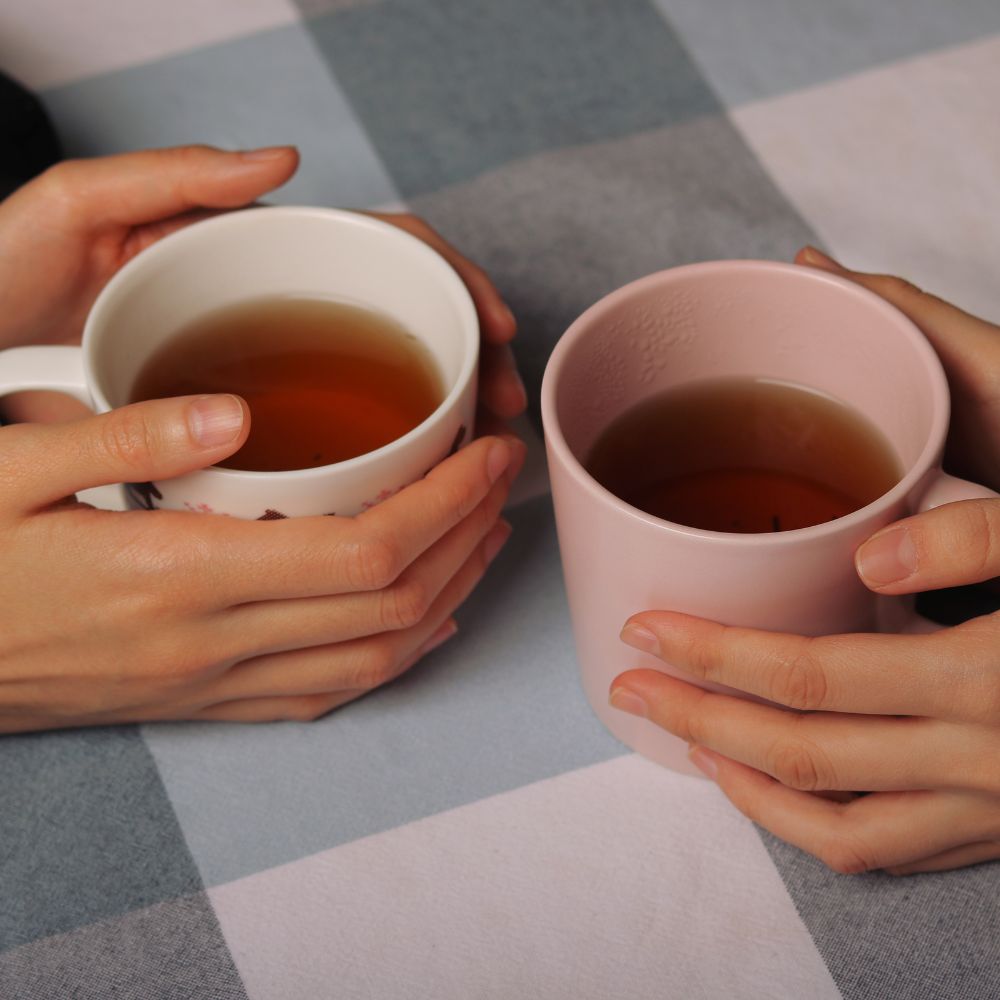
Tea is trending worldwide due to its health benefits. In this regard, more and more studies highlight the beneficial effects of the components of this plant on health, as long as it is regularly incorporated into the diet.
The following benefits stand out:
- The polyphenols in tea are antioxidants that protect the body against cellular aging, help regulate cholesterol levels, and support the body’s detox system by eliminating toxins and fats.
- Its fluoride content helps prevent the formation of cavities.
- Theophylline has diuretic and vasodilatory effects.
- Teaine is a “mild stimulant” of the central nervous system that helps clear the mind.
- L-theanine, together with theine, helps keep the mind active and supports concentration.
The antioxidants in tea
Various studies conducted in laboratories around the world have found in tea certain substances that have traditionally shown effectiveness in the prevention, control, and reduction of some types of cancer or cancerous tumors. Despite researchers’ caution, the conclusions of several experiments appear to support the theory that flavonoids specific to tea (catechins), in addition to their antioxidant properties, can in some cases have an inhibitory effect on this disease.
The temperature at which the infusion is consumed can also be a determining factor. The antioxidant properties of flavonoids tend to disappear when tea is consumed very hot. Research conducted in China in 1994 demonstrated that in the case of esophageal cancer — in which tea plays an important preventive role — this relationship was evident. Thus, the positive effects of tea decreased as the consumption temperature increased.
The antioxidant qualities of flavonoids are also evident in the most important organ of our body: the heart. Research conducted to date has established a link between the consumption of 4 to 5 cups of tea per day and the lowering of blood cholesterol levels and the regulation of blood pressure.
Tea contributes to cardiovascular health
Tea has proven effective in reducing cholesterol and triglycerides (two types of fats present in the blood), as demonstrated by several studies carried out in Great Britain and Norway:
- In the first study, published in 1992, 4,317 men and 1,698 women showed clear evidence that as tea consumption increased, blood cholesterol levels decreased.
- In the same year, 9,856 Norwegian men and 10,233 Norwegian women aged between 35 and 49 underwent the same study, which also showed a noticeable drop in cholesterol levels. Additionally, the influence of tea on blood pressure was analyzed, concluding that drinking 4 to 5 cups daily helps reduce the systolic or maximum value.
Its low sodium content and the presence of potassium — two elements traditionally associated with blood pressure control — would explain the infusion’s regulatory role. (Two other studies conducted among large population groups also support the thesis that regular tea consumption reduces the risk of cardiovascular incidents).
The action of flavonoids, confirmed in several laboratory experiments, would be responsible for this beneficial effect. However, as with studies assessing the positive effect of tea on cancer prevention, it is difficult to isolate tea’s role within the overall diet of test subjects. What is known is that the human body needs flavonoids for their antioxidant properties, and in many countries, tea is the main source of this important organic compound.
Footnotes
*Oxidation: a chemical reaction that occurs when a substance comes into contact with oxygen, causing changes to its original components.
*Fermentation: the breakdown of organic substances by the action of microbial enzymes (bacteria).
*The information stated above is GENERIC and may vary significantly depending on the source.
*As tea experts, our philosophy is to provide our professional sales team with reliable information while remaining open to differing opinions regarding tea and its remarkable health benefits.

The History of Tea
Chronology
Year 2737 BC
Chinese Emperor Shen Nung promoted Chinese agriculture in general and tea in particular. Tea during these years was consumed as a medicinal drink, and its origin can be traced back to the ancient Assam valley, between China and India, on the banks of the Brahmaputra River.
Year 375 AD
Tea becomes the most popular drink in China. The three main stages of development are:
- boiled tea
- pounded tea
- infused tea
Each stage corresponds to different "schools" of thought, aligned with the Tang, Song, and Ming dynasties.
Year 660
The Tibetan style of drinking tea. At this time, tea in Tibet was prepared in a special way. Tea bricks were ground in a mortar and then boiled.
Year 729
Tea arrives in Japan. At first, only the emperor drank tea, which was highly valued due to its import from China.
Year 800
The first seeds are brought to the Land of the Rising Sun. For the Japanese, tea is more than just a beverage.
They developed a special tea ceremony aimed at helping the spirit find peace. This practice has endured through centuries and borders. At the time, wandering Buddhist monks smuggled it in their robes, stealing it from Chinese plantations. Japanese emperors soon held a monopoly.
Their plantations were protected by high walls, and the harvest was done with hands covered by delicate gloves. What was once a drink for the imperial family and aristocracy became a national beverage.
The full tea ceremony lasted approximately three hours and is still practiced today, though usually in a simplified format.
Year 1280
The history of tea in India tells how Marco Polo, the famous Venetian adventurer, brought tea from China to the court of Indian Emperor Harsha Vardhana.
Year 1606
The first shipment of tea arrives in Europe. The Dutch East India Company transports tea to Europe for the first time.
Year 1635
Tea becomes a fashionable drink in Europe. In major European capitals, tea is consumed regularly. A substantial improvement in transport and lower taxes leads to the tea market’s expansion. The countries with a strong preference for tea include England, the Netherlands, Ireland, and Russia.
Year 1650
Tea in North America. Governor Peter Stuyvesant ordered the first tea shipment to the colonists of New Amsterdam, which later became New York. Despite being expensive due to high tariffs, tea became very popular among the English settlers, especially in the sophisticated city of Boston.
Year 1657
Garraway's Coffee House, run by Thomas Garraway, becomes the first public place in the West to serve tea. Garraway posted a sign outside his shop listing the positive effects of the exotic new drink: “stimulates the body, relieves headaches and heaviness, purifies the kidneys, helps with stones, facilitates breathing, prevents heavy dreams, sharpens the brain, and enhances memory.” Over time, tea would become not only an essential beverage but a vital part of culture and life across the British Empire.
Year 1773
Tea has sparked many conflicts, such as the American War of Independence, which began with the famous “Boston Tea Party” on December 16, 1773. In protest of the high tea taxes, a group of colonists known as “the Sons of Liberty” disguised themselves as Native Americans and dumped a large shipment of tea into the harbor from ships owned by the British East India Company anchored in Boston. The King was outraged and retaliated, as the taxes on tea were intended to support the colony’s military garrisons. This event was one of the sparks that ignited the bloody War of Independence.
Meanwhile, Chinese merchants from Amoy introduced tea cultivation to the island of Formosa (now Taiwan).
Year 1820
At five o’clock sharp. The English tradition of having a cup of tea at five in the afternoon is attributed to Duchess Anna of Bedford. Her friends found the new habit delightful and it quickly became popular.
Year 1825
The English tradition says the day begins with “Early Morning Tea.” Then comes the “Nice Cup of Tea” throughout the day, followed by the sublime “Five o’clock Tea.” Finally, the day ends with “High Tea,” the superior tea. In short, any time of day is perfect for a steaming cup of tea. During this era, a variety of treats were developed to accompany tea: muffins, scones, cakes, and various jams to spread gently.
Year 1830
Earl Grey (the most famous scented tea in the world) means Count Grey. It is said to have been blended by a Chinese mandarin for the British Prime Minister as thanks for ending the East India Company's monopoly.
Year 1867
The British begin highly productive tea cultivation in Ceylon. Initially, they used seeds from China, but later switched to seeds from the Assam plant (India). Until then, Ceylon had been a major coffee producer, but in 1869, when a plague destroyed the coffee crops, Sri Lankan farmers turned definitively to tea. Today, it is the third-largest tea producer in the world.
Year 1898
Scientists conclude that caffeine, discovered in 1820, and theine, discovered in 1827, are in fact the same alkaloid.
Year 1900
Tea arrives in Morocco. In Morocco, offering tea is a sign of hospitality, an art form, and the national beverage. In the Middle Ages, Arabs introduced the tea custom across their vast empire, but its lasting popularity is credited to the British, who struggled to sell large quantities of green tea after the Crimean War disrupted their usual trade routes. They redirected their market to the Mediterranean, targeting Tangier and Mogador as key destinations.
An old proverb says:
One glass of tea is nothing
Two are for the poor
Three are just right
Four are delightful
Five are forbidden
Six are better than three
Do you want to start your tea journey?
At Tea Shop, a unique selection of loose leaf teas and infusions awaits you. Dare to try them? 🫖
Descubre Nuestra App
¡Compra donde y cuando quieras!
Descárgate la app de Tea Shop y disfruta de ventajas exclusivas

