

LEMON BALM
Melissa officinalis

Table of Contents
What is lemon balm?
Lemon balm (Melissa officinalis), also known as bee balm or balm, is a perennial plant from the Lamiaceae family, the same as mint and thyme. Native to Southern Europe and the Mediterranean basin, it stands out for its pleasant lemony aroma and its well-known calming and digestive properties.
Its name comes from the Greek melissa, meaning “bee”, alluding to the strong attraction its flowers exert on these insects thanks to their sweet nectar. Since antiquity, lemon balm has been used as a natural remedy to reduce nervousness, promote sleep and ease digestive discomfort, making it one of the most appreciated herbs in phytotherapy.
The plant can reach up to one metre in height, with herbaceous stems, green serrated leaves and whitish flowers rich in essential oils such as citral, citronellal, geraniol and linalool, responsible for its characteristic citrus scent and many of its therapeutic properties.
Today, lemon balm remains one of the most popular infusions for those seeking natural wellbeing, emotional balance and relaxation.
Lemon balm properties
Lemon balm has a rich composition of essential oils, flavonoids and phenolic acids that account for its many therapeutic properties. Its citrus aroma and calming effect have made it one of the most used herbal infusions to promote physical and mental balance. The main properties include:
Natural sedative: thanks to compounds such as citral and geraniol, it acts on the nervous system, helping to reduce tension, nervousness and anxiety.
Antispasmodic and carminative: relaxes the muscles of the digestive tract, relieving cramps, gas and stomach discomfort.
Digestive: promotes light digestion and helps soothe the stomach in cases of acidity or indigestion.
- Antioxidant: rich in flavonoids and phenolic acids that combat free radicals, protecting cells from premature ageing.

- Anti-inflammatory and analgesic: helps reduce mild pain, inflammation or general discomfort.
- Antiviral and antibacterial: its essential oil is used to help prevent minor infections and to treat conditions such as cold sores.
- Antithyroid: helps balance thyroid function, especially in cases of mild hyperthyroidism.
- Aromatherapeutic: its lemon scent promotes relaxation and emotional wellbeing, helping to improve mood and concentration.

Lemon balm benefits
Lemon balm is one of the most valued medicinal plants for its ability to bring calm, wellbeing and inner balance. Thanks to its combination of essential oils and antioxidant compounds, it offers benefits at nervous, digestive and emotional levels, making it an ideal ally in moments of stress or fatigue. Among the main benefits of lemon balm are:
Promotes relaxation and reduces stress, helping to calm nerves and decrease anxiety.
Supports restful sleep, acting as a gentle natural sedative that helps you fall asleep and improve sleep quality.
Relieves digestive discomfort, such as bloating, gas or cramps, thanks to its antispasmodic effect.
- Improves digestion and helps reduce acidity or stomach discomfort after heavy meals.
Contributes to emotional wellbeing, helping to balance mood and combat irritability or mental fatigue.
Supports cognitive function, boosting concentration and memory during periods of overload or stress.
Strengthens the immune system, thanks to its antioxidant, antibacterial and antiviral actions.
- Soothes mild pain, such as menstrual or muscle discomfort, due to its relaxing and anti-inflammatory effect.
Altogether, the properties of lemon balm make it a versatile, balancing herb that’s ideal for caring for body and mind naturally.
Lemon balm contraindications
Although lemon balm is a safe, well-tolerated plant when consumed at recommended doses, it’s important to be aware of some precautions to avoid unwanted effects. Its relaxing action and influence on the nervous system mean that, in certain cases, consumption should be moderated or a healthcare professional consulted. The main contraindications of lemon balm include:
Not recommended during pregnancy or breastfeeding.
Not suitable for young children, especially due to its potential sedative effect.
Avoid consuming alongside sedatives, anxiolytics or antidepressants.
Do not combine with alcohol.
Caution for people with hypothyroidism, as lemon balm may reduce thyroid activity.
Monitor use if taking medication for blood pressure or diabetes.
- Avoid undiluted topical application of the essential oil to prevent irritation or allergic reactions.

How to prepare lemon balm infusion
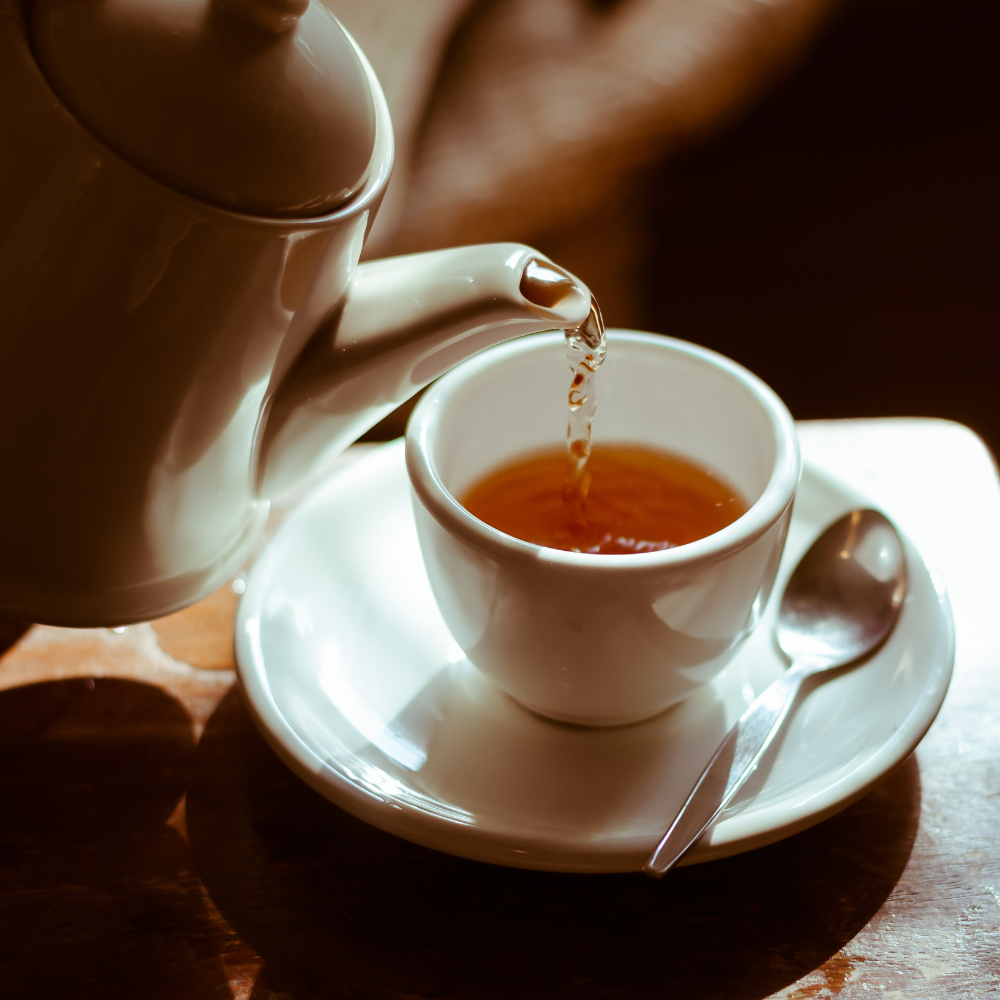
To prepare your lemon balm infusion at home:
- Heat a cup of water (approx. 200 ml) to around 95 °C.
Add a teaspoon of dried lemon balm leaves or a Tea Shop infusion bag. - Let it steep for 5–7 minutes to allow the essential oils to be released fully.
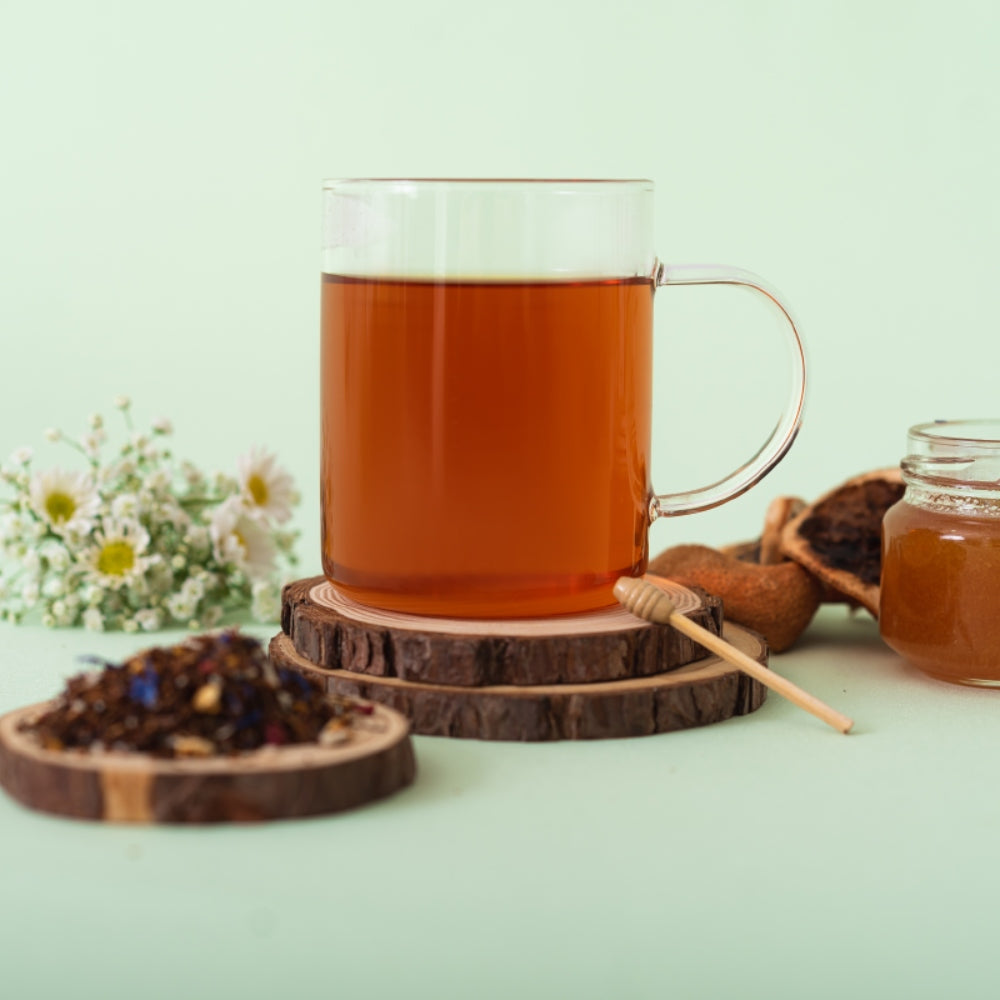
- Strain the infusion and sweeten to taste, preferably with honey or stevia if desired.

To enhance its relaxing effect, you can combine lemon balm with other plants such as linden, chamomile or lavender, creating a perfect blend to help body and mind unwind.
Enjoy it after meals to aid digestion, or before bedtime for a deep, restorative sleep.





Leave a comment
This site is protected by hCaptcha and the hCaptcha Privacy Policy and Terms of Service apply.